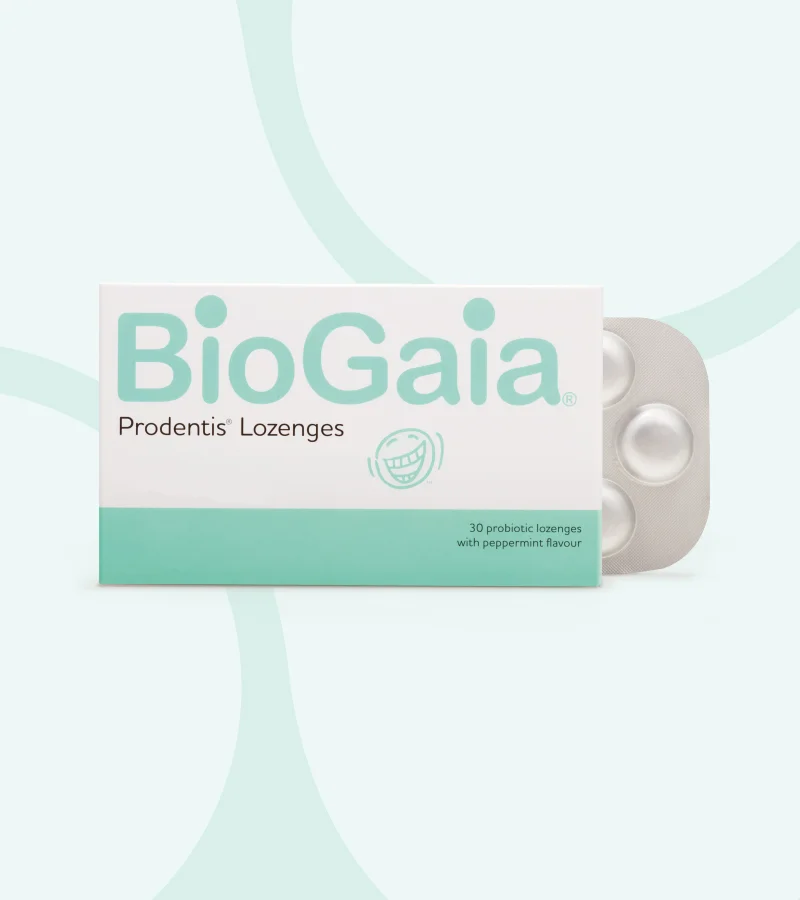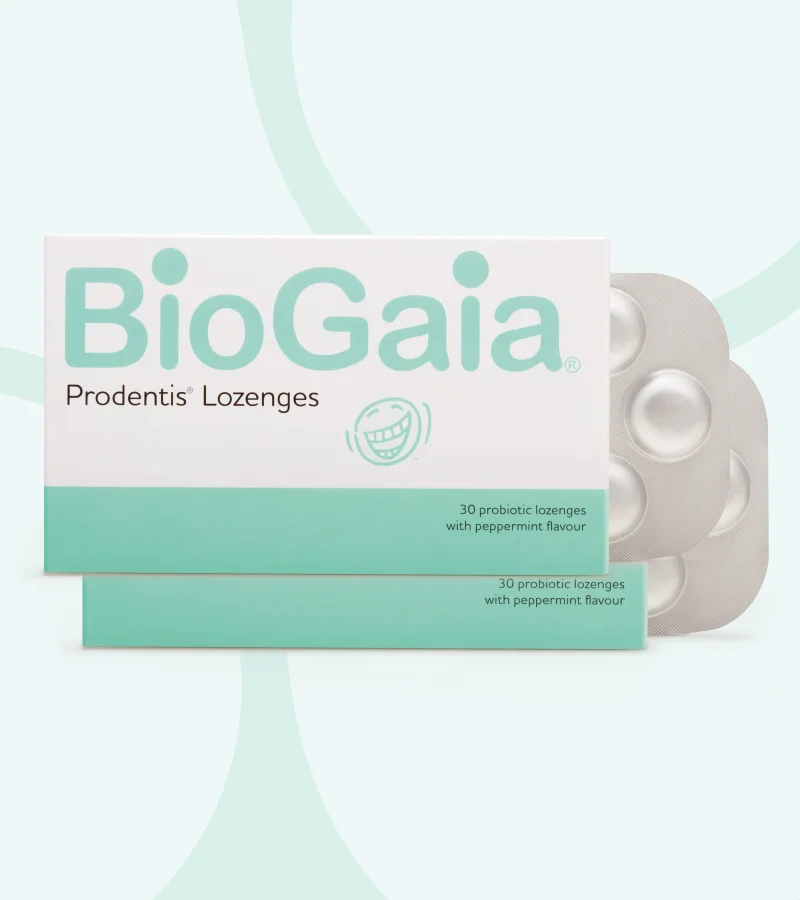
Regular brushing and flossing aren’t always enough. Taking care of your oral microbiome is what truly helps keep your teeth, gums, and breath healthy.
What is BioGaia Prodentis?
BioGaia Prodentis is a clinically proven oral probiotic designed to balance the bacteria in your mouth.
It contains the natural bacterium Limosilactobacillus reuteri Prodentis DSM 17938 and Limosilactobacillus reuteri ATCC PTA 5289, originally derived from human breast milk and saliva.
Gum disease a silent epidemic
“Gum disease is a major health problem as 60-80% of the population in industrialized countries suffer from gingivitis (bleeding gums) and 10-20% suffers from periodontitis (tooth loss)”
BioGaia Prodentis is special!
These lozenges have been tested and proven effective through more than 80 clinical studies and are suitable for adults, the elderly, and pregnant women.
It provides a balanced oral microbiota and acts as an adjunct for oral health and the prevention of:
• Gingivitis
• Periodontitis
• Plaque
• Peri-Implantitis
• Halitosis (bad breath)
• Oral Candida
• Caries
Is BioGaia Prodentis Safe?
Absolutely! These oral probiotics are safe for daily use alongside your regular oral care routine.
- Clinically documented in more than 80 studies
- Contain the bacterium L. reuteri Prodentis, which occurs naturally in humans
- Suitable for ages 12 and above
- Can be used for long periods
- Do not stain teeth
- Do not irritate the oral mucosa
- Can also be taken during pregnancy
- Do not lower the pH of your mouth
Shop BioGaia Prodentis Lozenges
3 of 4 adults will experience gum disease during their lifetime.
How BioGaia Prodentis Works?
Unlike traditional mouthwashes that may reduce both good and bad bacteria, Prodentis works by introducing live, active bacteria that naturally compete with harmful pathogens.
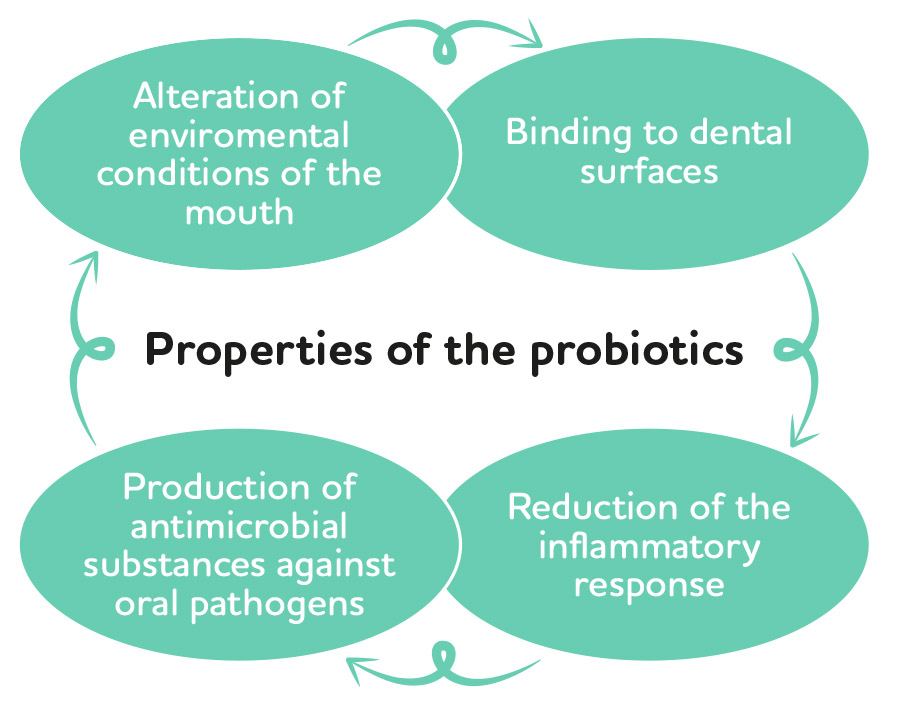
“By taking Prodentis daily it may be possible to restore the good and natural balance in the mouth and recreate the healthy ecology”.

Gum Disease
3 of 4 adults will experience gum disease during their lifetime.
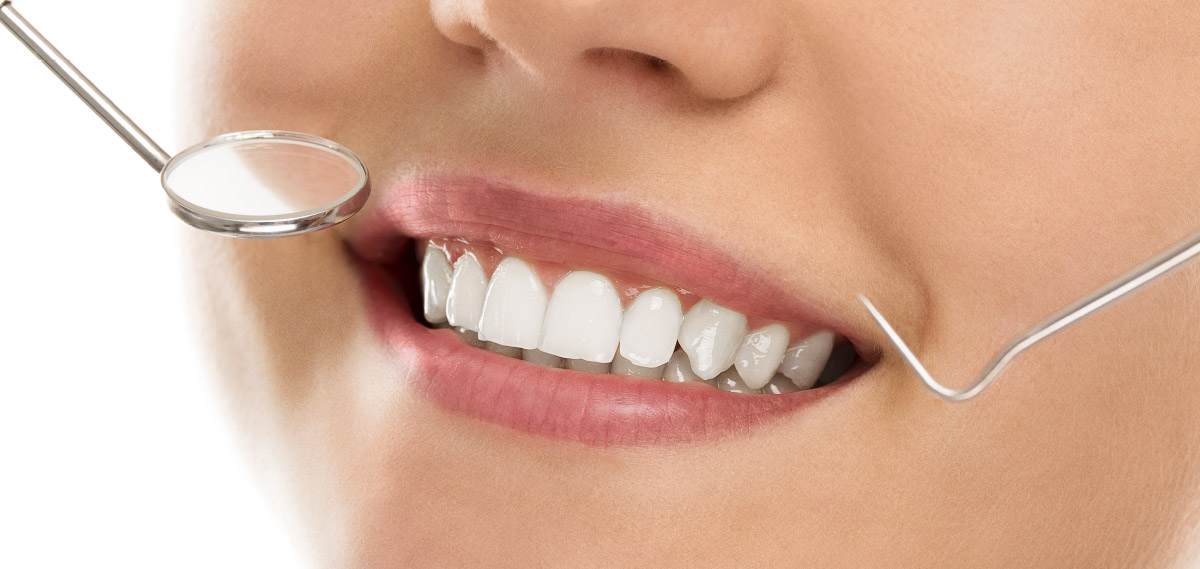
Gingivitis is a very common problem that is too often underestimated; when gums are red, irritated, swollen or bleed, you have gingivitis. It is mainly caused by plaque bacteria which penetrate and cause inflammation of the gums.
More Sensitive with Age
Oral health is important throughout life, but becomes even more important with increasing age. As we get older, the function of the immune system is reduced, and there is an increased risk of gingival inflammation, making both teeth and gums more sensitive.
If ignored, gingivitis can turn into periodontitis.

Some Signs of Gum Disease
In the early stages, it’s often painless. But these are the subtle warning signs to watch for before they progress:
• Bad breath or bad taste in the mouth
• Teeth that seem to be loose or have shifted position
• Gum tissue that is red, swollen and/or bleeds easily (healthy tissue is pink, has an orange peel appearance and does not bleed)
• Pus between teeth and gums (healthy gums are tight around the tooth and do not bleed)

Bacteria From the Mouth Can Lead to Diseases
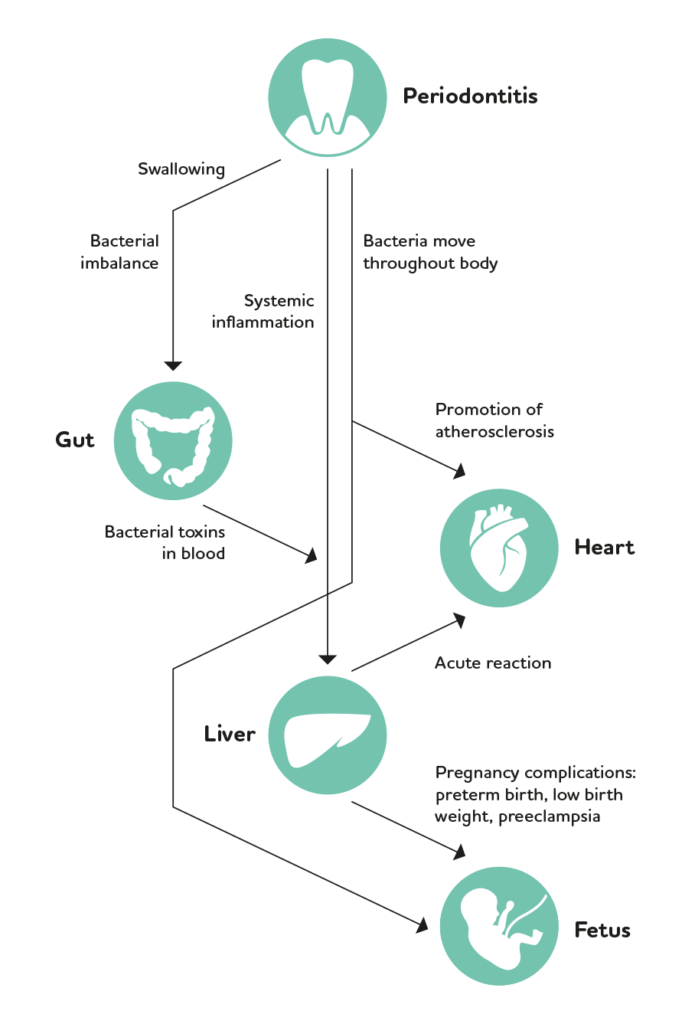
A balance of oral bacteria is of vital importance for our health. Bacteria living in your mouth are very close to your blood supply. When the gums are injured, they can bleed, allowing pathogens access to your bloodstream.
Once pathogens enter your bloodstream, they can travel throughout your body and infect almost any organ in your body, including your heart.
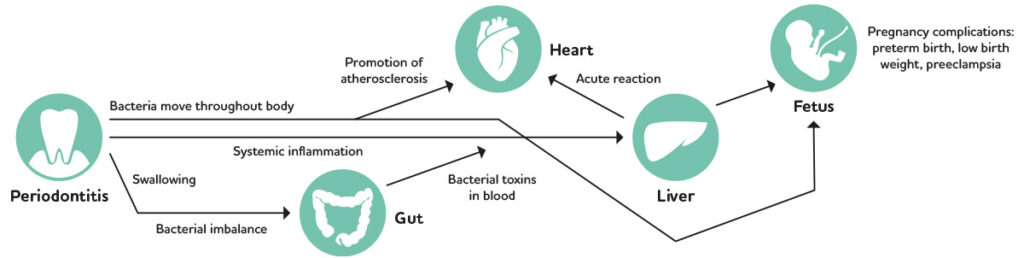
New research indicates that there is a connection between key bacteria in periodontal disease and many common conditions such as diabetes, obesity, cardiovascular disease and asthma.
It is also an open pathway for harmful bacteria to bring systemic diseases throughout the body, causing:
• 2.5 times increased risk of diabetes
• 3-fold increased risk of heart attack
• 7 times increased risk of premature birth and low birth weight

Bacteria and Inflammatory Periodontal Diseases
Under healthy conditions, the mouth is protected by beneficial microflora (“friendly” bacteria) that act as a defence system against the harmful plaque bacteria responsible for the onset of gingivitis and tooth decay.
However, oral microflora can be weakened by poor oral hygiene, an incorrect diet, stress, and other factors., These disruptions later promote the development of pathogenic bacteria (“bad” bacteria) and, consequently, lead to gum diseases.
How Periodontitis Develops
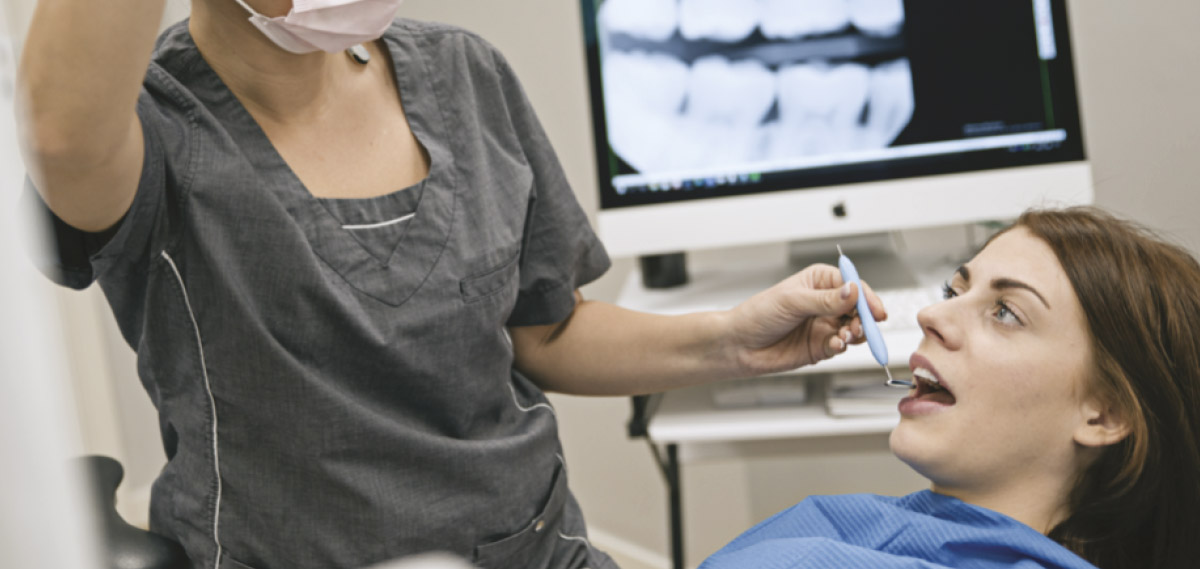
Periodontitis is a progressive condition that does not happen overnight. If early gum inflammation is left unaddressed, it can spread deep into the bone and ligaments that support your teeth, eventually leading to loosening and tooth loss.
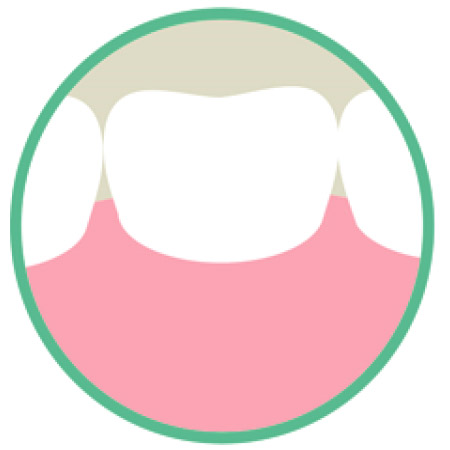
Plaque Formation
It all starts with plaque. Healthy gums are light pink in colour and are tight around each tooth. They do not bleed during brushing or flossing.
However, a bacterial film known as dental plaque is formed continuously on and between the teeth and at the gum line.
Compromising microorganisms, salivary proteins, and food residue, plaque can form in just one day.
If you do not clean your teeth and gums regularly, this plaque collects, and the gums become inflamed.
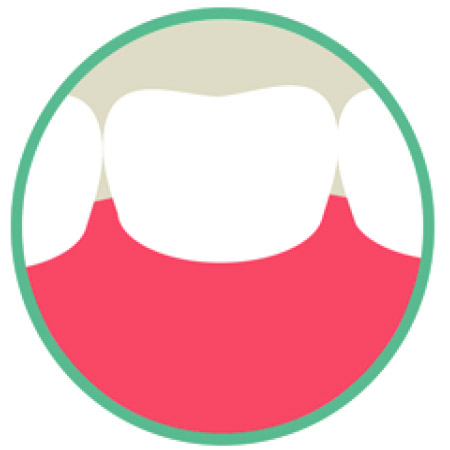
Gingivitis (Early Gum Disease)
If the plaque is not removed, it triggers gingivitis. One early sign of gingivitis is that the gums bleed during brushing or flossing.
Inflamed gums can be red and tender. But they are most often not painful and can therefore be difficult to detect on your own.
The inflammation then leads to the formation of a pocket between the tooth and gum.
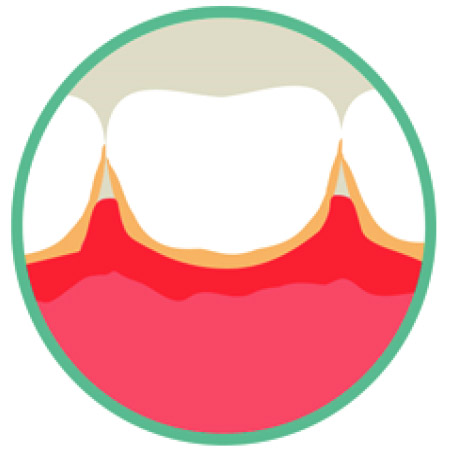
Periodontitis (Advanced Infections)
At this stage, the gum pockets caused by inflammation become deeper, and the bacteria penetrate further down and gradually attack the bone. The tooth loses more and more of its attachment.
Gingivitis has now progressed to periodontitis. The progression is slow and often takes place over several years without any apparent symptoms.
Professional intervention is necessary to treat periodontitis, otherwise the process will continue and eventually lead to loosening and subsequent loss of teeth.
Other Common Oral Conditions
While periodontitis is a major concern, bacterial imbalances in the oral biofilm can lead to several other conditions:
Caries (Tooth Decay)
Both caries and periodontitis originate from a disturbance in the balance and diversity of the biofilm. Contributing causes may be poor oral hygiene, incorrect diet, stress and/or other factors which affect the oral microflora.
Caries is mainly caused by the presence of the bacterium mutans streptococci, which creates a low local pH environment that demineralises enamel.
Halitosis (Bad breath)
Bad breath, or halitosis, can occur from time to time or be more or less permanent, depending on the cause.
Some of the common causes are poor oral hygiene, periodontal disease, respiratory tract infections or underlying illnesses like diabetes, kidney, liver or reflux disease.
Candidas
Oral candidosis, or Candida-associated stomatitis, is common among the elderly and is often associated with factors such as antibiotic treatment, an impaired immune system, neglected oral hygiene and smoking.
In frail elderly patients, the condition may be more or less chronic or frequently recurrent and may require long-term or repeated antifungal medication with the risk of resistant strains.
Oral Health During Pregnancy
During pregnancy, the entire female body goes through changes, and this also applies to oral health. Due to the hormonal and immunological changes, a shift in the oral microbiome often leads to a decline in the oral health status.
If not taken care of, the imbalance can lead to dental caries, gingivitis, and periodontitis.
Pregnancy Gingivitis May Affect the Child
Ongoing research is investigating whether there is a connection between the mother’s oral health and the health of the child.
Studies have suggested that women with pregnancy gingivitis may be more likely to deliver babies prematurely or with a lower birth weight than mothers with healthy gums.
However, many other factors can affect the health of a pregnant woman and her child, such as smoking, lifestyle and age.
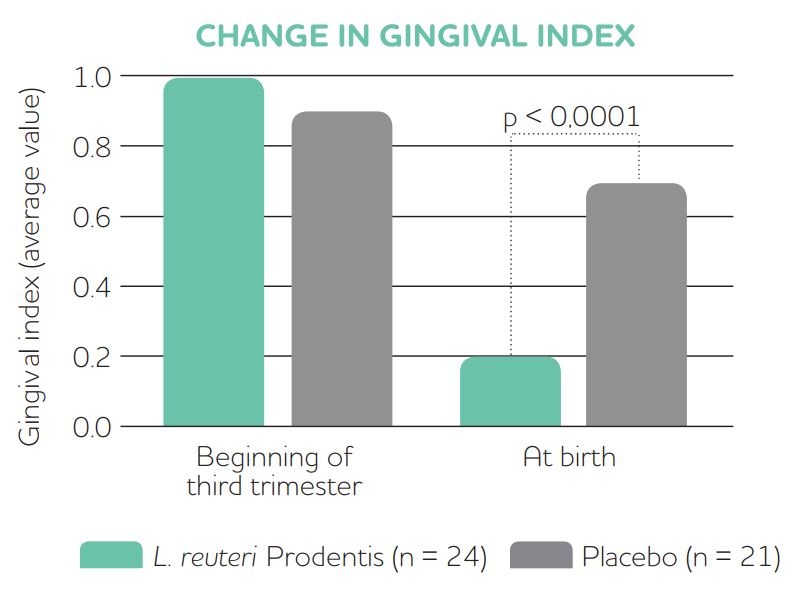
L. reuteri Prodentis Reduces Pregnancy Gingivitis
A double-blind, randomised, placebo-controlled study on pregnant women with gingivitis showed that supplementation of L. reuteri Prodentis significantly reduces inflammation and plaque compared to placebo.

How to Prevent Gingivitis and Periodontitis
There is a lot you can do for yourself and a great deal that your oral hygienist or dentist can help you with. The important thing is to get started in time!
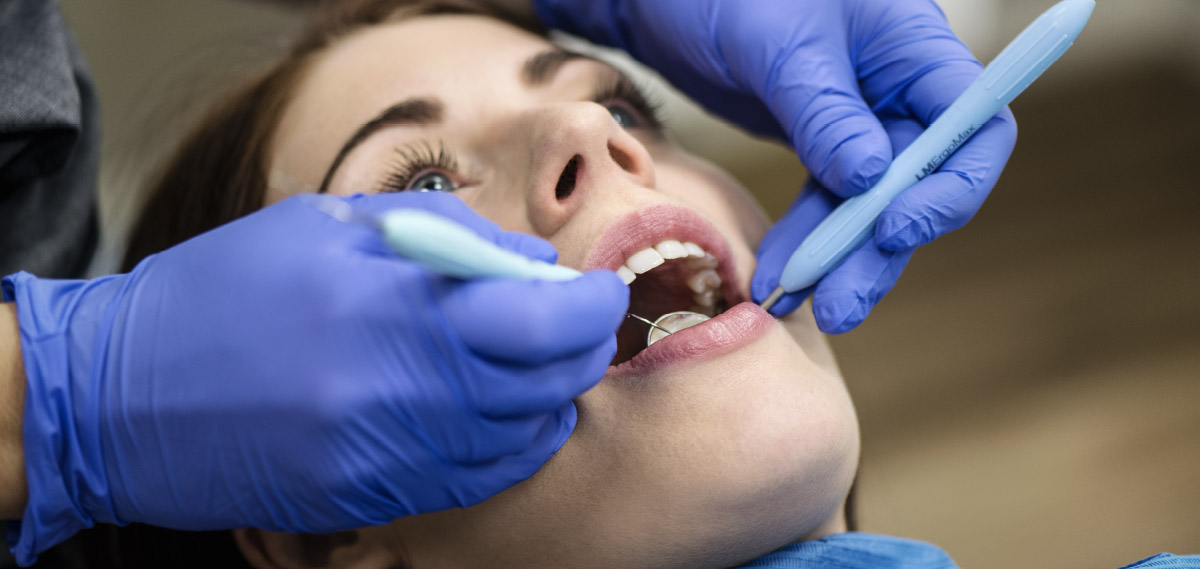
Dental Check-Up
Regular check-ups allow your dentist to determine your pocket depth and the degree of inflammation, as well as evaluate the condition of the ligaments and bone around the tooth.
Professional Mechanical Cleaning
(Scaling and Root Planing: SRP)
During this process, a dental hygienist thoroughly cleans the teeth and removes tartar deposits above and below the gum line in order to reduce inflammation and pocket depth.
While effective for most, severe periodontitis cases may require surgical procedures to clean the teeth and remove infected tissues.
Adjunctive Therapy:
SRP with BioGaia Prodentis
A balanced oral microflora is vital for healthy teeth and gums. The oral cavity contains around 800 different species of bacteria, and there are more than 1 billion bacteria on each tooth.
Under normal conditions, these are in balance and protect you from illness. But in the case of inflammatory periodontal disease, such as gingivitis and periodontitis, a significant imbalance has arisen.
SRP alone cannot remove all the “bad” pathogenic bacteria that cause gum disease. SRP reduces the amount of bacteria, but only temporarily, since the pathogens quickly recoloniser the treated areas of the oral cavity.
BioGaia Prodentis contains two complementary strains of live “friendly bacteria” Limosilactobacillus reuteri Prodentis DSM 17938 & ATCC PTA 5289.
They have anti-inflammatory and antimicrobial effects, and inhibit the growth of pathogenic bacteria in the mouth.
Studies have shown that the results of SRP can be significantly improved with the concurrent use of BioGaia Prodentis. In addition, the beneficial effects of professional cleaning are maintained longer.
How to Complement Prodentis with Your Daily Oral Care?
These lozenges come with a refreshing peppermint flavour and provide the recommended dose of 200-400 million active health-promoting L. reuteri Prodentis bacteria.
Daily use helps to reduce the number of periodontal pathogens and cariogenic bacteria, thereby improving oral health balance.
• Use after daily brushing and flossing
• Just chew one or two lozenges a day
The Clinical Evidence
Clinical studies with L. reuteri Prodentis (Lactobacillus reuteri DSM 17938 and ATCC PTA 5289) have been shown to reduce gingival inflammation and chronic periodontitis in healthy adults.
85% Less Bleeding After Two Weeks
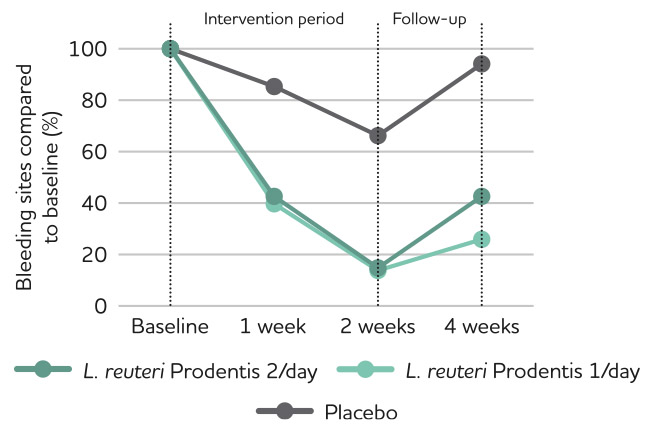
42 healthy adults with moderate gingivitis were randomly assigned to one of the following treatments for two weeks: one L. reuteri Prodentis lozenge per day, two L. reuteri Prodentis lozenge per day, or a placebo.
L. reuteri Prodentis lozenge was shown to reduce bleeding and inflammation by 85% after two weeks of supplementation compared to placebo. The patients were followed up after four weeks.
Reduced Inflammation of the Gums
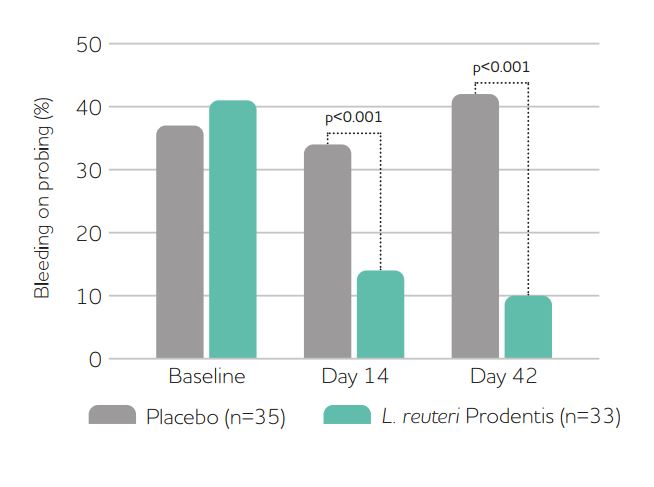
A clinical trial in 72 adults showed significant improvement in bleeding on probing after 6 weeks of daily supplementation with two lozenges of L. reuteri Prodentis.
Compared to baseline, bleeding on probing was reduced by 30% with L. reuteri Prodentis, while it was increased by 5% in the placebo group.
The effect was achieved without any professional cleaning of the teeth or instructions regarding oral hygiene routines.
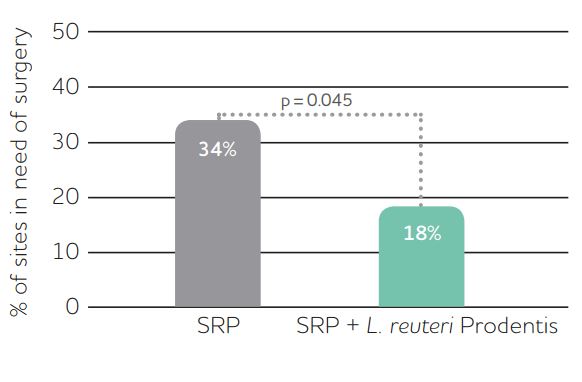
47% Fewer Tooth Surfaces Need Surgery
After professional cleaning, patients were given either two lozenges per day of L. reuteri Prodentis or a placebo for 12 weeks.
The effects on pocket depth reduction and attachment gain were significantly better with L. reuteri Prodentis compared to placebo.
Compared to placebo, the number of tooth surfaces in need of surgery was reduced 47% in patients with deep pockets and supplemented by L. reuteri Prodentis.
The study was double-blind, placebo-controlled and included 30 patients with chronic periodontitis.
| Gingivitis | L. reuteri Prodentis reduced bleeding on probing by 85%. |
| Periodontitis | Significant reduction of pocket depth in moderate and deep pockets. 47% fewer deep pocket sites in need of surgery with L. reuteri Prodentis compared to placebo. Up to 90% reduction of pathogens with L. reuteri Prodentis. |
| Peri-Implantitis | L. reuteri Prodentis significantly reduction of bleeding on probing and probing pocket depth in implants with peri implantitis. |
| Halitosis | L. reuteri Prodentis reduces oral malodour/bad breath. |
| Oral Candida | L. reuteri Prodentis reduced the prevalence of oral Candida by more than 50% compared to placebo. |
| Caries | L. reuteri Prodentis is effective in reducing caries-associated Streptococcus mutans (S. mutans) in children. |

FAQs
How is Prodentis different from mouthwash?
Mouthwashes often act as non-selective antiseptics that eliminate both harmful and protective bacteria.
In contrast, BioGaia Prodentis works by introducing beneficial L. reuteri strains that rebalance the oral microbiome without disrupting the natural flora. It complements, rather than replaces, your daily oral care routine.
Can I use Prodentis with my regular toothpaste?
Absolutely. Taking your lozenge after brushing or flossing ensures the beneficial bacteria can colonise the gum line and tooth surfaces more effectively.
What benefits may I notice from daily use?
With consistent use, most people notice fresher breath and firmer gums that are less prone to redness, sensitivity, or bleeding. You may also notice a cleaner feel as plaque buildup reduces.
How long until I see results?
While individual outcomes vary, results depend on your oral condition. Cases like gum bleeding and inflammation typically show visible improvement within 2 to 4 weeks.
For more specific outcomes, view our Prodentis Clinical Papers.
Is Prodentis safe during pregnancy?
Yes. L. reuteri strain has been extensively studied in pregnant women and is clinically proven to be safe for both mother and baby. It is particularly effective for managing pregnancy gingivitis, helping to reduce the inflammation and bleeding caused by hormonal shifts.
Learn more about BioGaia for Expecting Mothers.
Should I chew the lozenge or let it melt?
Let it melt slowly in your mouth. This gives the beneficial bacteria more time to spread across the teeth and gums.
Can children use Prodentis?
Yes. Prodentis is suitable for children aged 12 and above who can allow it to melt in their mouth.
For younger children and infants, we recommend taking our BioGaia Protectis Powder, BioGaia Probiotic Drops, or BioGaia Probiotic Drops With Vitamin D3, which are specifically formulated for their developmental needs and gut health.
Does Prodentis help with bad breath?
Yes. Unlike sprays or mints that temporarily mask odour, Prodentis helps support a healthier balance of oral bacteria associated with bad breath.
Does Prodentis contain sugar?
No. BioGaia oral probiotics are sugar-free. They use sucralose as a sweetener and isomalt as a bulking agent, making them suitable for those monitoring their sugar intake.
How should I store the lozenges?
Keep them in a cool, dry place below 25°C. The live bacteria are sensitive to heat and moisture, so proper storage helps maintain their stability and quality until the expiry date.How is Prodentis different from mouthwash?
Mouthwashes often act as non-selective antiseptics that eliminate both harmful and protective bacteria.
In contrast, BioGaia Prodentis works by introducing beneficial L. reuteri strains that rebalance the oral microbiome without disrupting the natural flora. It complements, rather than replaces, your daily oral care routine.
Can I use Prodentis with my regular toothpaste?
Absolutely. Taking your lozenge after brushing or flossing ensures the beneficial bacteria can colonise the gum line and tooth surfaces more effectively.
What benefits may I notice from daily use?
With consistent use, most people notice fresher breath and firmer gums that are less prone to redness, sensitivity, or bleeding. You may also notice a cleaner feel as plaque buildup reduces.
How long until I see results?
While individual outcomes vary, results depend on your oral condition. Cases like gum bleeding and inflammation typically show visible improvement within 2 to 4 weeks.
For more specific outcomes, view our Prodentis Clinical Papers.
Is Prodentis safe during pregnancy?
Yes. L. reuteri strain has been extensively studied in pregnant women and is clinically proven to be safe for both mother and baby. It is particularly effective for managing pregnancy gingivitis, helping to reduce the inflammation and bleeding caused by hormonal shifts.
Learn more about BioGaia for Expecting Mothers.
Should I chew the lozenge or let it melt?
Let it melt slowly in your mouth. This gives the beneficial bacteria more time to spread across the teeth and gums.
Can children use Prodentis?
Yes. Prodentis is suitable for children aged 12 and above who can allow it to melt in their mouth.
For younger children and infants, we recommend taking our BioGaia Protectis Powder, BioGaia Probiotic Drops, or BioGaia Probiotic Drops With Vitamin D3, which are specifically formulated for their developmental needs and gut health.
Does Prodentis help with bad breath?
Yes. Unlike sprays or mints that temporarily mask odour, Prodentis helps support a healthier balance of oral bacteria associated with bad breath.
Does Prodentis contain sugar?
No. BioGaia oral probiotics are sugar-free. They use sucralose as a sweetener and isomalt as a bulking agent, making them suitable for those monitoring their sugar intake.
How should I store the lozenges?
Keep them in a cool, dry place below 25°C. The live bacteria are sensitive to heat and moisture, so proper storage helps maintain their stability and quality until the expiry date.
Shop Oral Probiotic
Clinically proven to support healthier gums, fresher breath, and a balanced oral microbiome — one or two lozenges a day.