
Key takeaways:
- Pregnancy shifts your microflora, bringing on everyday discomforts like constipation, gum sensitivity, and greater vulnerability to infections.
- To keep that balance steady, choose a human-derived strain with clinical research, clear CFU counts, and easy daily use like BioGaia probiotics.
- For you, the right probiotic eases nausea, supports digestion, minimises antibiotic side effects, and strengthens your natural defences.
- For your baby, it goes even further, shaping early immunity and reducing the risk of allergy and eczema.
- And the earlier you start, the more continuous the support — probiotics are safe from the first trimester through breastfeeding.
Introduction
Pregnancy is a deeply personal and incredible experience.
As your body prepares for motherhood, it goes through many natural changes — and your internal well-being becomes the foundation of this journey.
Caring for yourself from the inside out helps you feel more at ease while providing a healthy “first home” for your baby.
Why Should You Consider Pregnancy Probiotics?
Alongside the physical shifts of carrying a baby, your microflora — the balance of good bacteria across your gut, mouth, and vaginal tract — also changes.
You might notice slower digestion, gum sensitivity, or greater vulnerability to infections, alongside common concerns like morning sickness.
A daily probiotic helps keep this balance steady, supporting both your comfort now and your baby’s earliest microbial environment.
Are Probiotics Safe in Pregnancy?
Not all probiotics are the same. Only probiotic strains that have been clinically studied in pregnant women are considered safe for use during pregnancy.
BioGaia probiotics are among the most well-researched in the world. Its patented strains of L. reuteri — including DSM 17938 — have been clinically studied for safety and effectiveness in over 290 clinical studies involving approximately 25,000 individuals, including babies, pregnant and lactating women.
Because these probiotics work primarily within the digestive tract and are generally well tolerated, they offer a gentle, science-backed way to support your internal balance during pregnancy.
Learn more in the Medical Professional Clinical Summary.
Benefits of Probiotics for Pregnancy
While your body adapts to support your growing baby, taking targeted probiotic strains like L. reuteri DSM 17938 provides evidence-based relief and long-term support.
Below are clinical benefits based on studies involving expecting mothers:
Support Digestive Comfort during Pregnancy
Hormonal changes during pregnancy can affect your digestive system in different ways. Some women experience nausea and stomach discomfort early on, while others notice bloating, heartburn, or irregular bowel movements as pregnancy progresses.
Alongside lifestyle factors like hydration, gentle movement, and a high-fibre diet, maintaining a healthy gut microbiome may help support digestive comfort.
BioGaia’s L. reuteri strains have been shown to support the balance of beneficial bacteria in the gut, which plays an important role in digestive and immune health, especially during pregnancy when your immune system is constantly adapting.
Supports Bowel Regularity
Feeling bloated, heavy, or “stuck” is a common part of pregnancy. In fact, up to 50% of pregnant women experience constipation at some point, as digestion naturally slows down and bowel movements become less frequent over time.
Studies on L. reuteri strains have shown positive effects on gut motility, which plays an important role in bowel regularity.
Minimises Antibiotic Side Effects
No matter how strong our immune system is, sometimes, infections like UTIs can still happen — and antibiotics are often necessary to help recover.
The problem is that antibiotics can’t tell the difference between harmful bacteria and the friendly ones that already live in your gut, so they reduce both.
Taking probiotics alongside antibiotics can help replenish the beneficial bacteria that antibiotics deplete. They are commonly taken a few hours apart, two to three hours before or after each antibiotic dose, for best results.
Supports Oral Health
As hormone levels (particularly estrogen and progesterone) rise during pregnancy, your gums and the natural microflora in your mouth can also change. Increased blood flow to gum tissue is one contributing factor, making gums feel more sensitive or prone to irritation — especially from the second trimester onwards, with symptoms often peaking in the third.
While brushing, flossing, and dental check-ups help keep your mouth clean, they may not fully support the bacterial balance affected during pregnancy.
Adding a specific probiotic like BioGaia Prodentis can help increase the number of beneficial bacteria in the mouth, supporting overall oral health.
Also Read:
- Probiotics for Babies: Are They Safe From Day One?
- Baby Constipation: What Causes It and How Can Probiotics Help?
- Does Your Child Fall Sick Too Often? How Probiotics Can Help Build Stronger Immunity
What to Look For in Probiotics For Pregnant Women
Not every probiotic on the shelf is suited for pregnancy. Choosing the right strain and formulation matters for both of you and the baby:
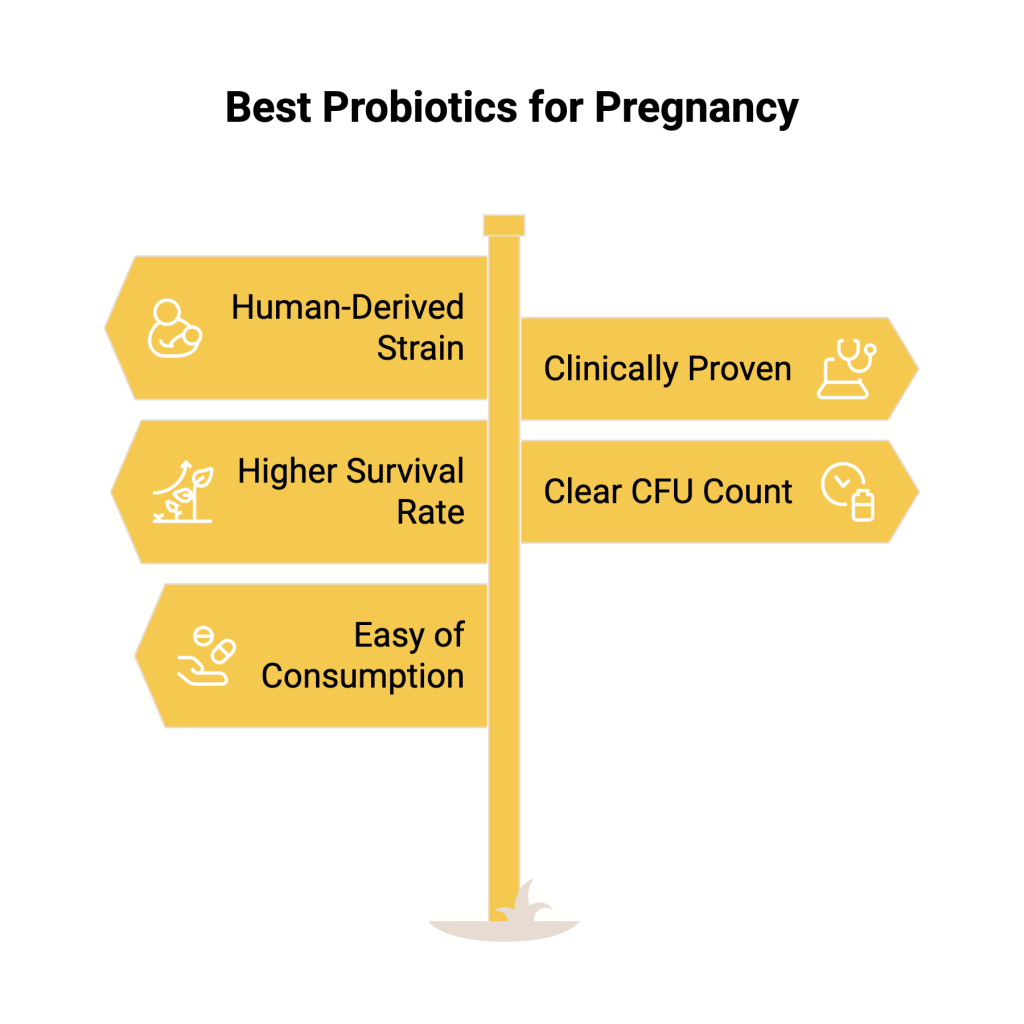
Best Probiotics for Pregnancy
- Human-Derived Strain: Look for probiotics naturally adapted to the human body. BioGaia’s L. reuteri DSM 17938 originates from human breast milk, making it uniquely suited for both mother and baby.
- Clinically Proven for Pregnancy: Choose probiotics tested in human studies, particularly in maternal and infant health. Avoid probiotics marketed for general wellness without specific clinical research in pregnancy.
- Higher Survival Rate: Many probiotic strains die in stomach acid before reaching the intestine. L. reuteri DSM 17938 is naturally acid-tolerant, proven to survive and reach the gut alive, without requiring added prebiotics.
- Clear CFU Count: Clinical studies are done at specific doses. Probiotics need enough live bacteria to reach the gut and deliver their benefits. Every dose of BioGaia contains at least 100 million live L. reuteri.
- Easy of Consumption: Pregnancy can make taking large pills difficult. Look for options like chewable tablets that are easy to incorporate into your daily routine, even when dealing with nausea.
Which Probiotic is Best for Pregnancy?
BioGaia offers two clinically studied probiotics, each formulated for the specific needs of pregnancy and beyond.
BioGaia Probiotic Chewable Tablets: Daily Gut Support

BioGaia Probiotic Chewable Tablets 30’s
For your daily maternal wellness essentials, take one or two tablets a day before or after a meal. When on antibiotics, take your dose two to three hours before or after the antibiotic.
These lemon-flavoured chewables help ease constipation, bloating, and the heavy feeling that comes with slower digestion. They also replenish beneficial bacteria after antibiotic use and support overall immunity during pregnancy.
It’s a simple way to look after your gut while building the immune foundation for your little one. Continue throughout pregnancy and breastfeeding for ongoing benefits.
BioGaia Prodentis Lozenges: Daily Oral Care
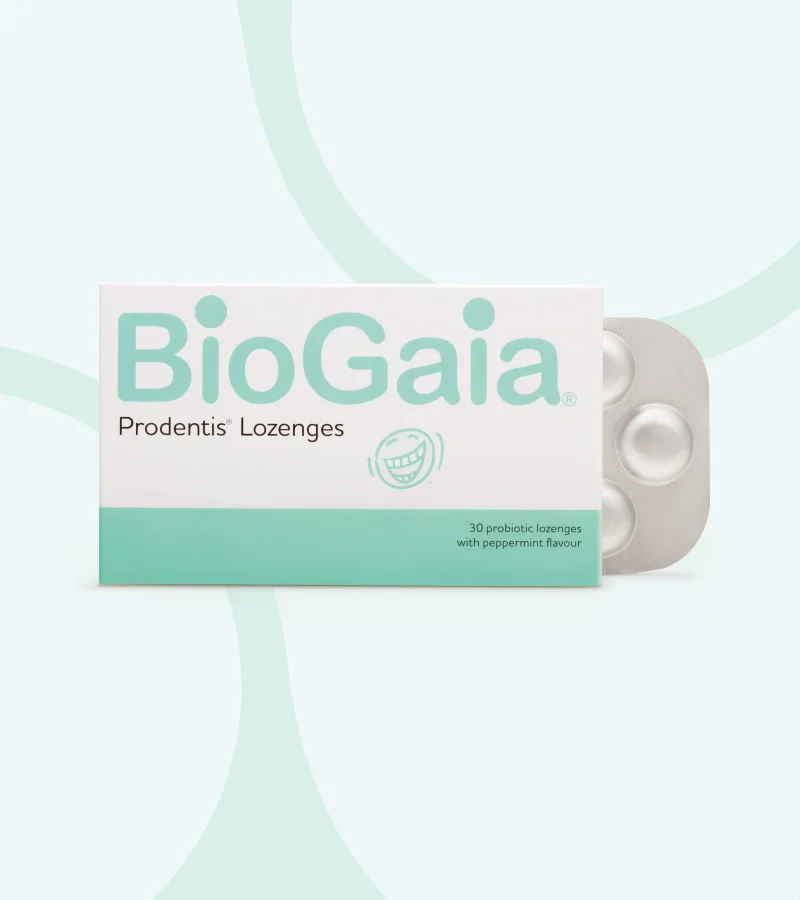
BioGaia Prodentis Lozenges 30’s
These peppermint-flavoured lozenges are designed to be taken after brushing. They naturally help manage plaque and ease the sensitive, bleeding gums often caused by hormonal changes.
For best results, take two lozenges daily for at least two months, then continue with one lozenge daily as your gums improve. Let each one slowly dissolve in your mouth. Don’t chew or swallow it whole.
Take after brushing teeth for best results.
How Probiotics Influence Your Baby’s Future Health
Newborn babies acquire their microflora primarily from their mother. The microbial support you choose today creates a continuous chain of health for your baby.
Prenatal supplementation with BioGaia contributes across three key areas — pregnancy, birth, and infancy.

Source: Expecting Mothers
The outcomes for your baby include:
- Strengthens Early Immunity
- Reduces Allergy and Eczema Risk
- Prevents Infantile Colic
- Less Fussing and Crying
- Restores Microbial Balance for C-Section Babies
Read more in BioGaia Mothers to Child findings.
When to Start Taking Probiotics in Pregnancy?
Probiotics can be started at any point in pregnancy — but each trimester comes with different goals. Here’s a simple breakdown:
| Trimester | What’s Happening | How Probiotics Help |
| First (Weeks 1–12) | Morning sickness, fatigue, hormonal shifts | Support digestive discomfort during early pregnancy |
| Second (Weeks 13–27) | Growing uterus, slower digestion | Relieves constipation and supports nutrient absorption |
| Third (Weeks 28–40) | Preparing for birth, microflora transfer | Primes maternal microflora for transfer to the baby |
| Postnatal / Breastfeeding | Recovery, lactation, and the baby’s microbiome development | Supports breast milk quality and passes beneficial bacteria to the baby |
FAQs
Can I take probiotics when trying to conceive?
Yes, many women choose to start their probiotic routine before conception. Starting BioGaia can improve your preconception routine, supporting better nutrient absorption, hormonal balance, and overall wellness in the months leading up to pregnancy.
Can I take folic acid and probiotics together?
Yes. Probiotics do not interfere with folic acid or any standard prenatal vitamin. In fact, a balanced gut microbiome may improve nutrient absorption, helping your prenatal vitamins work more effectively.
Can fermented foods replace probiotic supplements during pregnancy?
While fermented foods like yoghurt or kimchi are healthy, they don’t provide the same benefits as a clinical supplement. Plus, their bacteria are often transient and may not survive stomach acid.
How long should I take probiotics while pregnant?
Daily use throughout pregnancy is safe and supported by clinical research. You can continue through the third trimester into breastfeeding and beyond.
Are there any side effects of probiotics during pregnancy?
Probiotics are generally well-tolerated. Some may experience mild bloating or gas during the first few days as their gut microbiome adjusts. These symptoms are typically temporary and subside as your internal balance stabilises.
Conclusion: A Healthy Start for Both of You
Pregnancy asks a lot of your body, and looking after yourself should come first.
A daily, clinically studied probiotic like BioGaia is one of the simplest ways to keep your microflora balanced through pregnancy. It eases your own journey while building the immune foundation for your baby’s early years.Shop BioGaia Probiotics now and start making a lasting difference for you and your baby!