
Key takeaways:
- Baby constipation is usually temporary and functional, often caused by normal developmental changes in diet, hydration, and gut maturation.
- It is defined by stool consistency and difficulty passing stool, not just how often your baby has a bowel movement.
- Common triggers include switching milk, starting solids, low fluid intake, antibiotic use, and an imbalance in the gut microbiome.
- Clinically studied probiotics like L. reuteri DSM 17938 help restore gut balance and improve stool frequency, with results seen within weeks.
- With the right support, including probiotics and routine care, most babies return to regular, comfortable bowel movements as their digestive system matures.
Introduction
Constipation is one of the most common digestive concerns in early infancy.
These episodes often occur while your baby’s developing gut microbiome is still maturing and adapting to new nutritional milestones.
While occasional irregularity is a natural part of development, understanding the causes, symptoms, and clinical solutions helps you respond with confidence. It can make a meaningful difference in your baby’s daily comfort and long-term digestive health.
What is Constipation in Babies?
Baby constipation is defined by the passing of hard, dry stools and visible straining during bowel movements. It is not only about how often your baby poops, but also the consistency and ease of passing stool.
Most cases are functional — meaning there’s no underlying medical condition. It’s often a temporary digestive response to dietary changes, hydration, or the natural maturation of the gut.
Key Symptoms of Baby Constipation
While every baby is different, specific physical signs often indicate infant digestive discomfort. If you notice a change in your baby’s routine, look for these common symptoms:
- Hard, Pellet-Like Stools: Stools that appear dry or resemble small pebbles.
- Straining and Discomfort: Noticeable effort, a flushed face, or crying during bowel movements.
- A Firm Tummy: The abdomen may feel tight or slightly distended to the touch.
- Reduced Appetite: Your baby may show less interest in feeding due to feeling “full” or uncomfortable.
- Irritability: Fussiness, especially before or during bowel movements.
What Causes Baby Constipation?
Baby constipation is rarely caused by one thing alone. Common transitions in the early years can easily disrupt their regular nappy routine and lead to temporary backups:
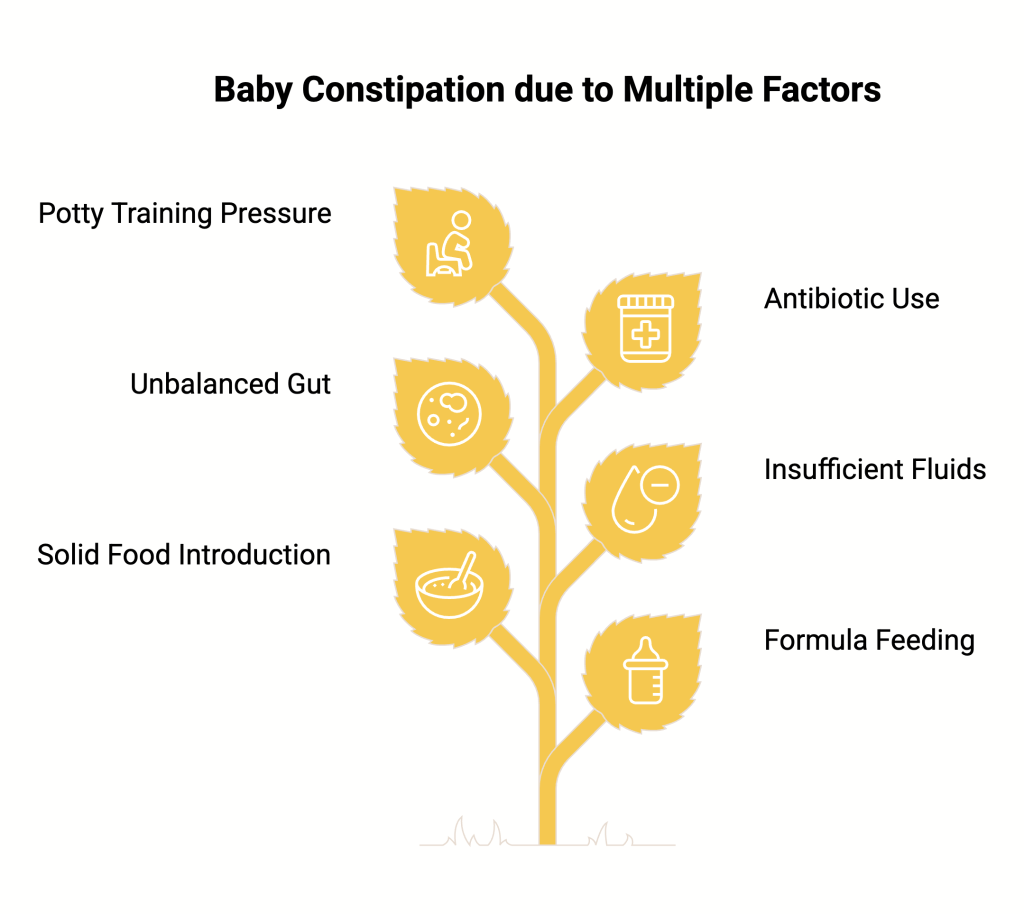
Baby Constipation due to Multiple Factors
- Switching from Breast Milk to Formula: Formula is digested more slowly than breast milk and can produce firmer stools.
- Starting Solid Foods: Introducing low-fibre foods often causes a temporary stall as the gut learns to process new textures.
- Insufficient Fluid Intake: Adequate hydration is essential for soft stools. Low fluid intake can result in harder, more difficult-to-pass stools.
- An Unbalanced Gut: When beneficial bacteria are low, the natural movements that push waste along can slow down.
- After a Course of Antibiotics: Antibiotics can wipe out the helpful bacteria that keep your baby’s digestion regular.
- Potty Training Pressure: For older babies, the stress of toilet training can cause them to hold it in.
How Long Can Constipation Last in Babies?
Most cases of baby constipation last only a few days. They often resolve once a feeding change or hydration settles.
It’s worth noting that breastfed newborns can sometimes go several days between bowel movements and remain perfectly healthy. In some cases — particularly after antibiotics or major feeding transitions — symptoms may persist for one to two weeks.
According to paediatric clinical guidelines, constipation lasting longer than two weeks should be reviewed by a paediatrician.
How to Ease Baby Constipation with Probiotics
Rather than forcing a bowel movement, probiotics offer a gentle, natural approach to easing baby constipation. Specific strains like Lactobacillus reuteri DSM 17938 are particularly well-studied in infants to restore balance in the gut microbiome.
In a clinical study on infants with functional constipation, L. reuteri DSM 17938 significantly improved stool frequency. 91% of infants normalised their stool frequency within 2 weeks, and 100% within 4 weeks.
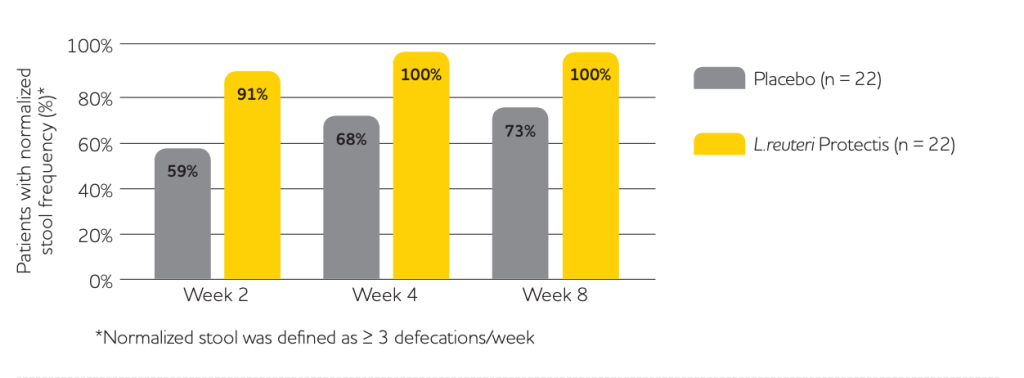
Read more in BioGaia’s Infants & Pediatric Findings.
Best Baby Probiotics for Constipation Relief
When choosing a probiotic for your baby, select one that is clinically studied for safety and effectiveness in infants. BioGaia offers three baby-friendly options in a format suited to different feeding stages and routines.
BioGaia Probiotic Drops

These original probiotic drops are the global standard for managing infant digestive comfort. Just 5 drops daily deliver a minimum of 100 million CFU of live L. reuteri. The liquid is flavourless and can be given on a spoon or applied to the nipple while breastfeeding.
BioGaia Drops With Vitamin D3
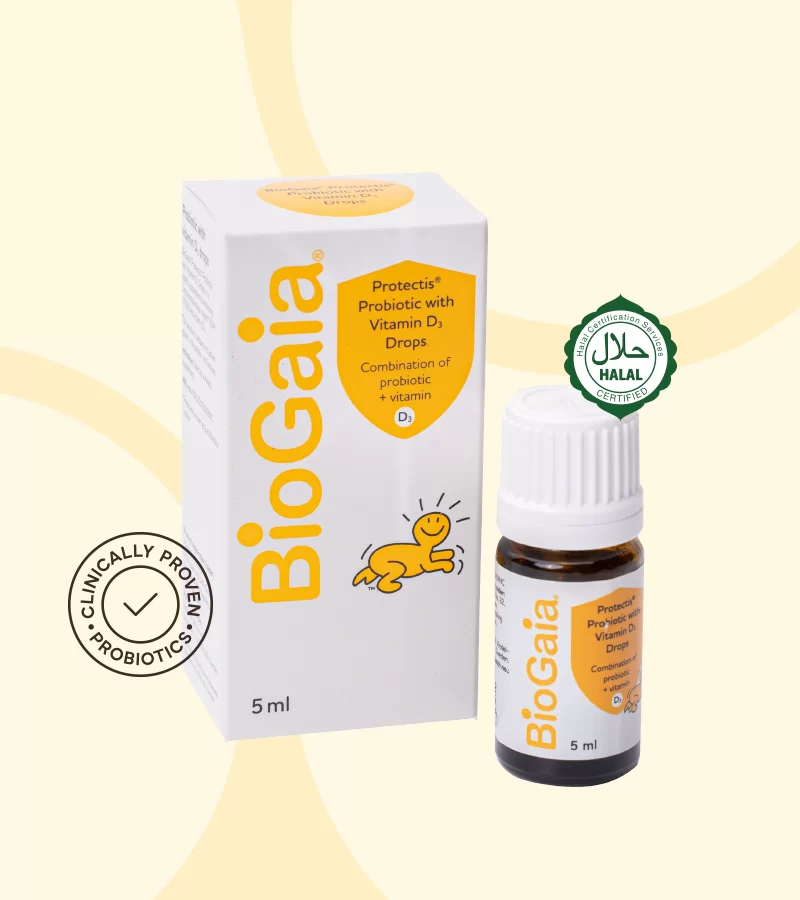
BioGaia Probiotic Drops With Vitamin D3
For breastfed babies, who often lack vitamin D3, this dual-action formula is ideal for comprehensive daily supplementation. Similar to the original drops, the added 400 IU of vitamin D3 supports bone development and immune resilience.
BioGaia Protectis Powder 30 Sachet
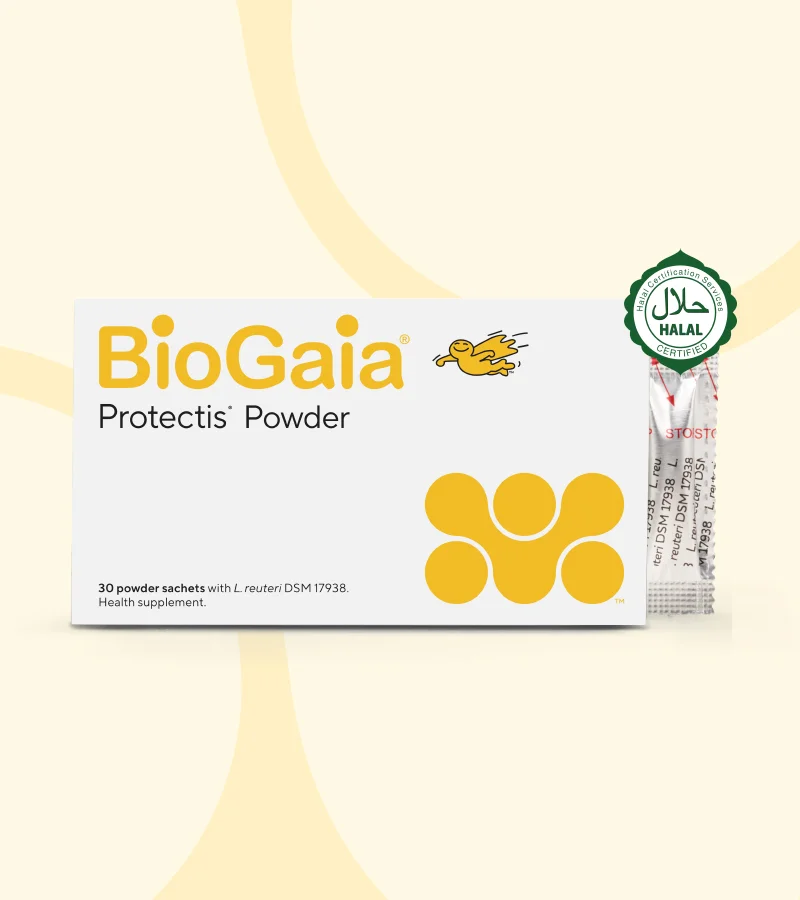
BioGaia Protectis Powder 30 Sachet
This powder format offers a convenient alternative for parents. Each flavourless sachet can be easily mixed into breast milk, formula, water, or cool food, providing a simple way to support your child’s intestinal motility during dietary transitions.
Also Read:
- Probiotics for Babies: Are They Safe From Day One?
- Does Your Child Fall Sick Too Often? How Probiotics Can Help Build Stronger Immunity
- Probiotics For Pregnant Women – Are They Safe?
FAQs
Do probiotics improve constipation?
Yes, but they work best as part of a daily routine. Probiotics gradually rebalance the gut microbiome, so consistency matters more than dose.
How do I know if my baby needs probiotics?
If your baby experiences hard stools, straining, or abdominal pain that lasts beyond a single episode, probiotics may be beneficial.
How quickly do probiotics help with constipation?
Most parents notice softer, more frequent stools within one to two weeks. The improvement is usually gradual rather than immediate.
What to monitor after starting probiotics?
Watch for stool consistency, frequency, and your baby’s overall comfort. Mild changes in stool colour or texture are normal during the first few days.
When to worry about baby constipation?
Seek medical advice if your baby has constipation lasting more than two weeks. Other red flags include blood in stool, persistent vomiting, weight loss, or a swollen belly.
Conclusion: Supporting Your Baby’s Digestion Naturally
Constipation is a common part of a baby’s development, especially during periods of change. By recognising the early signs, you can take simple steps to support their comfort and digestive health.
A daily probiotic helps restore microbial balance and support softer, more regular bowel movements — helping your baby return to a more settled routine.
Explore BioGaia Probiotics for Babies and Infants to support your baby’s digestion from the start.