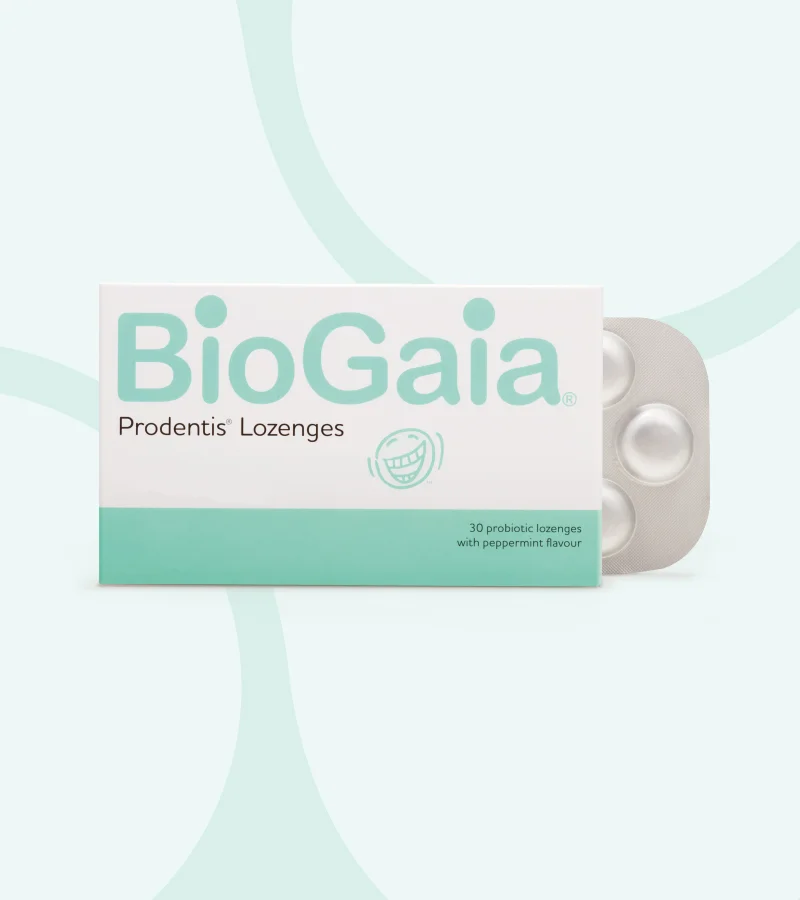
About Probiotics
The World Health Organisation (WHO) defines probiotics as live microorganisms which, when administered in adequate amounts, confer a health benefit on the host.
In simpler terms, these invisible heroes are the friendly bacteria and yeast, designed to promote overall well-being from within.
They are dietary supplements, much like vitamins and minerals — taken daily to help maintain a healthy balance of bacteria in the body.
The word probiotic literally means “for life” as opposed to antibiotic, which means ‘against life’.
What are Probiotics?
While our body naturally contains huge numbers of bacteria, probiotics help increase the number of good bacteria within the gut.
Though the word bacteria might sound scary, it’s really not. They are part of a complex ecosystem in the digestive system called the microflora.
This microflora is important for good health and performs a number of useful functions in the body. Research shows that probiotics may:
• Help with digestion and absorption of nutrients
• Provide a natural defence against bad bacteria, toxins and pathogens
• Influence the development and function of the immune systems
What Makes BioGaia Special
BioGaia contains the natural probiotic strain Limosilactobacillus reuteri DSM17938. This special probiotic naturally colonises the digestive tract.
It is found in the milk of breastfeeding mothers.
In fact, it is among the first bacterial species to become naturally established in the normal microflora of the newborn.
Most other probiotic strains are only temporary inhabitants, derived from the intake of food.
Are All Probiotics the Same?
No. The use of probiotics is a science.
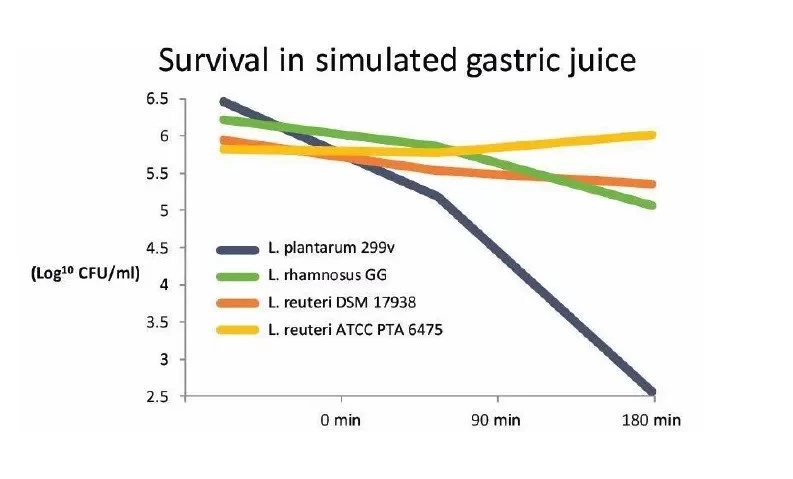
It is important to understand that there are many different probiotic strains, and experts believe that these different strains have different health benefits. All probiotics are not the same and cannot be substituted for one another.
BioGaia consists of L. reuteri (DSM 17938 strain), which is special and derived from human mother’s milk. It produces Reuterin, which has antimicrobial, antiviral and antifungal properties.
L. reuteri is one of the first probiotic strains patented and commercialised. Because L. reuteri naturally occurs in the human body, it is effective and suitable for human and children’s health, as it is adapted to reside in humans.
Subsequent strains commercialised are less symbiotic with the human body in various ways.
Why do We Need Probiotics?
Because modern lifestyle habits can easily disrupt our internal systems, probiotics help replenish the friendly bacteria in the gut flora.
You’re likely to benefit from probiotics when exposed to these common lifestyle factors:
• High intake of antibiotics and other drugs
• Low nutritional food
• Environmental toxins
• Sleep deficiency
• Stress
• Travelling
How Probiotics Work in Your Gut
There’s a universal theme that runs through almost all stories, myths and legends of mankind. It occurs in books, movies and TV series — the fight between good and evil.
Probiotics are those good bacteria. They provide a health benefit by favourably contributing healthy bacteria to your microflora.
Up to 80% of the immune system is directly linked to the gastrointestinal wall, making a healthy intestinal mucosa and a balanced microbiota essential for a well-functioning immune system.
Here’s how BioGaia’s L. reuteri DSM 17938 works:
Microbiota Balance: Releases reuterin and lactic acid to promote the growth of good bacteria while inhibiting harmful pathogens.
Immune Support: Activates T-helper cells to boost the immune system and provide overall infection protection.
Gut Barrier Protection: Improves the barrier function of the gut by tightening the intestinal lining and increasing intestinal cell growth, which speeds up recovery from pathogen infections and reduces gut permeability (leaky gut).
Pain Relief: Reduces visceral pain through the release of neuromodulating molecules.
Key Health Benefits of Probiotics
BioGaia’s clinically proven strains provide a foundation for wellness, offering targeted support for your little ones as they grow and develop.

Infantile Colic
Up to 20% of infants are diagnosed globally. Colic is the condition of inconsolable crying, fussing and irritability in an otherwise healthy baby during the first three months of life.
Limosilactobacillus reuteri DSM 17938 in Infantile Colic: A Randomised, Double-Blind, Placebo-Controlled Trial
Francesco Savino
Results: There was a significant reduction in crying time for the patients taking L. reuteri compared with placebo.
Daily crying time for the L. reuteri group reduced from 370 to 35 minutes, while for infants taking a placebo, crying time went from 300 to 90 minutes.
The number of infants who responded positively more than doubled, with 20 out of 25 infants taking L. reuteri showing improvement by Day 7, compared with 8 out of 21 infants taking a placebo.
50%
of babies cried less after taking BioGaia.
Constipation
The incidence of constipation among children varies between 7 and 30% depending on the country. A full 40% develop symptoms as early as the first year of life, and these often persist for a long time.
Many children with constipation have continued problems as teens and adults.
Coccorullo P et al. J Pediatr. 2010
In a randomised, double-blind, placebo-controlled study, 100% of infants taking BioGaia achieved normalised stool frequency by Week 4, compared to 68% in the placebo group.
40%
of children develop symptoms of constipation during their first year of life.


Regurgitation
Regurgitation is defined as the passage of refluxed gastric content into the throat, whilst vomiting is defined as the expulsion of refluxed gastric content from the mouth.
More than half of all infants aged 0-6 months have at least one functional gastrointestinal disorder, with regurgitation being the most common.
The frequency of regurgitation varies with age, with infants during the first month being more frequently affected (up to 80% of infants during the first month of life).
Most infants are happy and healthy, even if they frequently spit up or vomit. Regurgitation represents 25% of paediatric consultations.
Clinical Trial:
Prophylactic Use of a Probiotic in the Prevention of Colic, Regurgitation, and Functional Constipation. A Randomised Clinical Trial
Indrio F 2014, Indrio F 2010.
Results: At 3 months of age, the mean number of regurgitations per day was 2.9 for babies taking BioGaia, compared with 4.6 times per day for babies taking a placebo.
Infants taking BioGaia experienced an 80% reduction in daily regurgitations after 4 weeks.
Infants taking BioGaia experienced an 80% reduction in daily regurgitations after 4 weeks.
Diarrhea
Rotavirus affects almost all children before the age of 5 years and is responsible for 30–50% of all hospitalisations for acute diarrhea in young children.
Study By: Francavilla R, 2012
Compared to placebo, L. reuteri significantly:
- Reduced the duration of diarrhea by 1.2 days.
- The frequency of watery diarrhea was significantly reduced on treatment days 2 and 3.
- The number of children with normal stool consistency was significantly higher on days 2 and 3.
1-2
days, babies recovered from Diarrhea instead of 3-5 days
Antibiotic-associated diarrhea (AAD), i.e., diarrhea as a side effect of antibiotic therapy, affects up to 25% of all patients treated with antibiotics, and up to 40% of children receiving broad-spectrum antibiotics.
The risk of AAD is increased by factors such as the intake of several different types of antibiotics over a long period of time, gastrointestinal surgery, and long-term hospital stays.
Study By: Dinleyici EC et al., 2025 (PEARL Study) Compared to placebo, L. reuteri significantly:
- Reduced the incidence of AAD by more than half, with only 7.9% of children in the L. reuteri group developing AAD compared to 16.7% in the placebo group within the first 14 days.
- Maintained this protective effect at 21 days (8.8% vs. 17.9%) and throughout the 8-week follow-up period (9.1% vs. 19.6%).
- Cut the risk of antibiotic-associated diarrhea by more than half — in a large-scale, double-blind RCT of 654 children receiving amoxicillin-clavulanate.
Francavilla R, 2012


Functional Abdominal Pain (FAP)
At least half of the earth’s population is infected, but its incidence varies from over 80% of all adults in developing regions such as Asia and Latin America to between 20% and 50% in the industrialised world.
However, the majority of infected individuals are unaware of this fact, and only around 20% have symptoms.
Weizman, 2016
Compared with placebo:
The frequency of pain was significantly reduced at 4 weeks with 1.9 vs 3.6 episodes/week in the L. reuteri and placebo groups, respectively.
Half the number of pain episodes with L. reuteri DSM 17938 versus placebo after 4 weeks

Infection Protection
There is evidence that L. reuteri DSM 17938 increases the immune systems ability to fight off super respiratory tract infections.
Gutierrez-Castrellon P, 2014
Compare to placebo:
- L. reuteri significantly reduced the frequency and duration of episodes of diarrhea and respiratory tract infection at both 3 and 6 months
- The number of doctor visits, antibiotic use, absenteeism from day school and parental absenteeism from work were significantly reduced
55%
93 out of 168 children experienced less respiratory tract infection after taking BioGaia, compared to (204 out of 168 children) for placebo
FAQs
Are all probiotic strains the same?
No. Common strains include Lactobacillus, Bifidobacterium, and Saccharomyces — each offering different health benefits.
BioGaia utilises Limosilactobacillus reuteri DSM 17938, a patented probiotic strain originally isolated from human breast milk and naturally adapted to the human digestive tract. It is one of the world’s most researched probiotic brands, backed by more than 290 clinical studies.
Who can take probiotics?
BioGaia probiotics are studied and proven safe across all stages of life, from newborns to pregnant women and the elderly. Each formulation is backed by science, making BioGaia one of the most evidence-based probiotic brands available.
View our Medical Professionals’ Summary for research and trials with BioGaia Probiotics.
Can I give my baby probiotics every day?
Yes, probiotics work best through consistent, daily use. A regular dose maintains a stable level of friendly bacteria in the gut, supporting ongoing digestive comfort and immune defence.
Can probiotics help with eczema in babies?
Yes. Certain probiotics, like BioGaia Skin Care Probiotic Ointment, help strengthen the skin’s natural barrier. This steroid-free, plant-based formula has shown visible improvements in skin appearance and hydration in sensitive, eczema-prone skin.
Learn more about BioGaia Probiotic Skin Care for baby skin.
How long does it take for probiotics to work?
Results vary based on the individual and the specific condition. Some people notice improvements within a few days, whilst others require 2 to 4 weeks of consistent, daily use.
Can I take probiotics with antibiotics?
Yes. Antibiotics can disrupt the natural balance of bacteria in the gut, and probiotics may help support gut recovery during and after antibiotic use.
When taking probiotics alongside antibiotics, it is recommended to leave at least a 2-hour gap between each dose to help the beneficial bacteria survive and reach the gut effectively.
Do probiotics need to be refrigerated?
It depends on the product — and with BioGaia, storage is simpler than most.
- For BioGaia Probiotic Drops: Before opening, no refrigeration is needed — simply store in a cool, dry place below 25°C, away from direct heat and sunlight.
Once opened, refrigeration is recommended to preserve potency through to the last dose. BioGaia’s innovative LongevityGuard™ technology continues to protect the bacteria from humidity for up to three months after opening.
- For BioGaia Protectis Powder or Chewable Tablets, and Prodentis Lozenges: No refrigeration needed at any point. Just store in a cool, dry place below 25°C, away from direct heat and sunlight.
What is the best time to take probiotics?
Generally, consistency matters more than the specific time of day. For BioGaia probiotics, they can be given before or after feeds at any time of day. For babies who tend to regurgitate, giving the drops before feeding may help ensure the full dose is retained.
Do probiotics have any side effects?
Yes, but they are rare and typically mild. Some individuals may notice a slight increase in gas or bloating during the initial adjustment period as the gut microflora balances itself. These symptoms usually resolve within a few days of continued use.
Find Your BioGaia Probiotics
Our range of clinically-tested supplements is designed to support every stage of life.e gut microflora balances itself. These symptoms usually resolve within a few days of continued use.