
Key takeaways:
- Probiotics are live microorganisms, which means their effectiveness naturally changes over time depending on how they are stored and protected.
- That is why shelf life is about more than just an expiry date — the CFU count must remain stable enough to deliver the intended health benefits when you take it.
- Factors such as heat, moisture, humidity, and repeated air exposure can gradually reduce probiotic potency, especially in Malaysia’s warm climate.
- Proper storage, therefore, plays an important role, from keeping probiotics below 30°C to sealing them tightly and refrigerating specific formats after opening.
- BioGaia probiotics are developed around this principle, combining clinically documented L. reuteri strains with LongevityGuard™ technology to maintain stability and potency through to expiry.
Introduction
You take your probiotics daily, store them the same way, and trust they are doing their job.
Most people do.
What many do not consider is that probiotics are live bacteria, and keeping them effective involves far more than simply checking the date on the box.
This guide covers what probiotic shelf life actually means, what quietly affects it, and what to look for in a product that stays effective through to the very last dose.
What Does Probiotic Shelf Life Actually Mean?
In supplement terms, shelf life refers to how long the live bacteria in a probiotic remain active and effective to deliver health benefits. This potency is measured in Colony Forming Units (CFU) — the count of viable bacteria in each dose.
But the number on the label only matters if those bacteria are still alive when you take it.
Why the Potency Guarantee Matters
Not all probiotic labels measure CFU the same way. Some products state the CFU count at the time of manufacture — the number of bacteria present when the product was made.
Because live bacteria naturally decline over time, a product that starts with 10 billion bacteria at the factory may contain significantly fewer by the time it reaches your home.
BioGaia probiotics are tested to ensure the stated CFU count remains available through to the end of shelf life. This means the number shown on the label reflects the amount confirmed at expiry, not just at manufacture.
What Affects Probiotic Shelf Life?
The expiry date gives you a general timeline. But the actual lifespan of your probiotics depends on their environment. Understanding these factors explains why two products with the same expiry date can perform very differently by the time you open them.
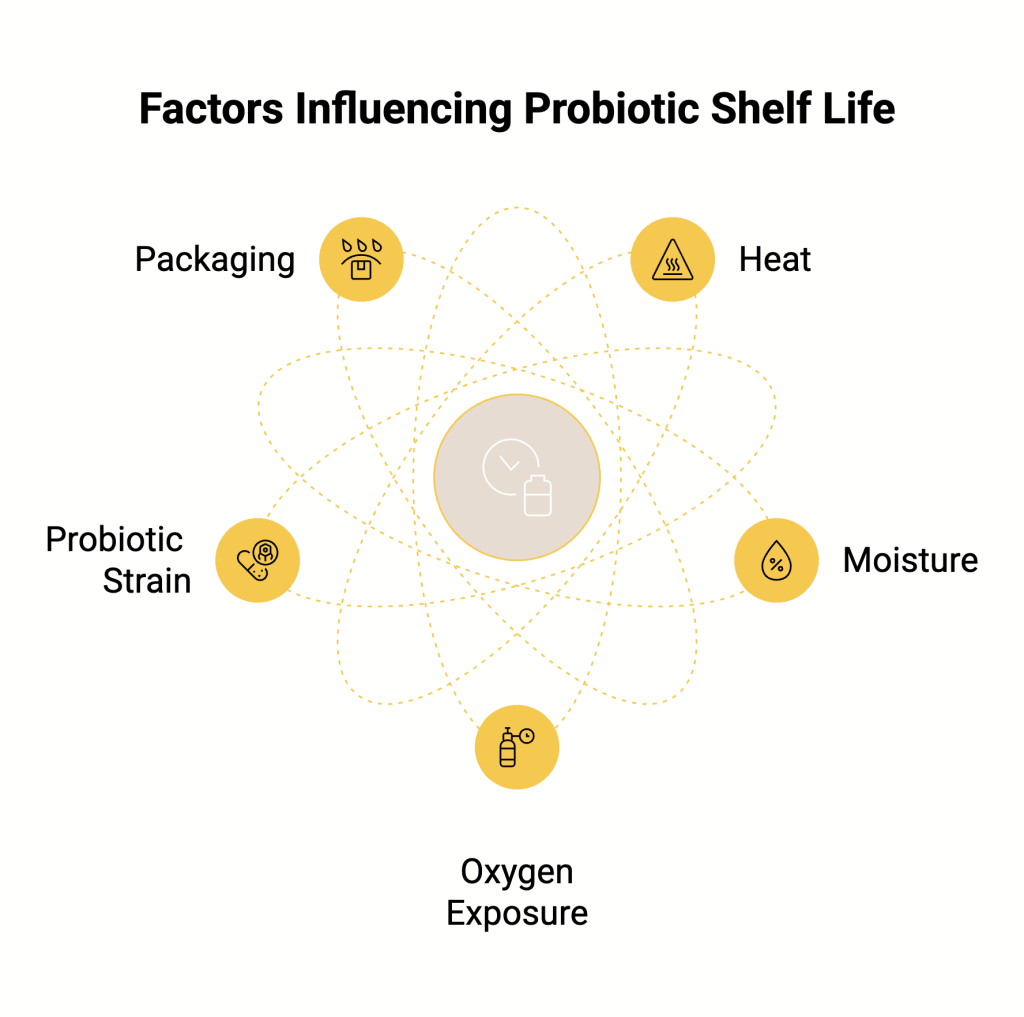
Factors Influencing Probiotic Shelf Life
- Heat: Warmth triggers dormant bacteria to reactivate prematurely. Once active outside the body, they die before reaching your gut.
In Malaysia’s warm climate, probiotics should be stored below 30°C and kept away from direct sunlight or heat.
- Moisture and humidity: The most critical factor. Even small amounts of moisture entering the packaging can cause rapid, irreversible viability loss.
Avoiding damp areas like bathrooms or kitchen counters can help protect their stability.
- Oxygen exposure: Each time a bottle is opened without being properly resealed, bacteria are exposed to oxygen. This gradually degrades cell integrity over time.
A small habit — sealing tightly after every use — makes a measurable difference.
- Specific probiotic strain: Different strains respond to environmental stress differently.
BioGaia’s Limosilactobacillus reuteri DSM 17938 — studied across 290 clinical trials in approximately 25,000 individuals — is among the most documented strains for stability and survivability from manufacture to the gut.
- Packaging: A well-designed product protects bacteria from the inside out — sealed formats and moisture barriers.
BioGaia’s LongevityGuard™ addresses all of the above in one system — actively controlling moisture inside the packaging from the day it is sealed.
How BioGaia Extends the Shelf Life of Probiotics
BioGaia is the only probiotic brand on the market with LongevityGuard™ — a unique desiccant strip in the packaging that absorbs moisture to keep L. reuteri strains active and effective.

Benefits of LongevityGuard™ include:
- Enhanced CFU Protection: Each dose delivers viable and potent CFU that survive the journey to the gastrointestinal tract — arriving alive and giving effective results.
- Room Temperature Storage: No fridge, no hassle. Stores comfortably at room temperature, making it easier for parents whether at home or on the go.
- Extended Shelf Life: Keeps the live bacteria active for up to 2 years unopened, and up to 3 months after opening.
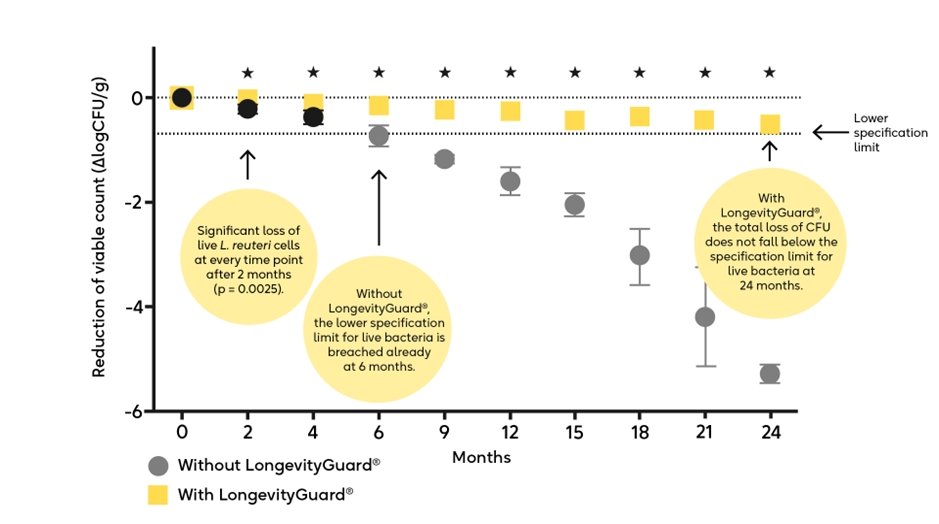
In a recent study, the LongevityGuard® desiccant strip efficiently increased the shelf life of L. reuteri Protectis® formulated in oil suspension.
How to Tell if Probiotics Have Gone Bad?
While you cannot see the live bacteria inside probiotics, the signs are often visible in the product itself. Signs probiotics have expired:
- Unusual smell: A strong, sour, or unusual odour.
- Discolouration: Yellowing, dark spots or changes from the original colour.
- Clumping: Powder or capsule contents that have hardened or stuck together.
- Damaged packaging: Swollen bottles, broken seals or moisture inside the packaging.
- Reduced effect: A noticeable drop in the digestive benefits you previously experienced
How to Store Probiotics Properly
In Malaysia’s warm climate, where you store your probiotics is just as important as how you take them. For BioGaia probiotics, storage guidance differs slightly depending on the format.
BioGaia Drops
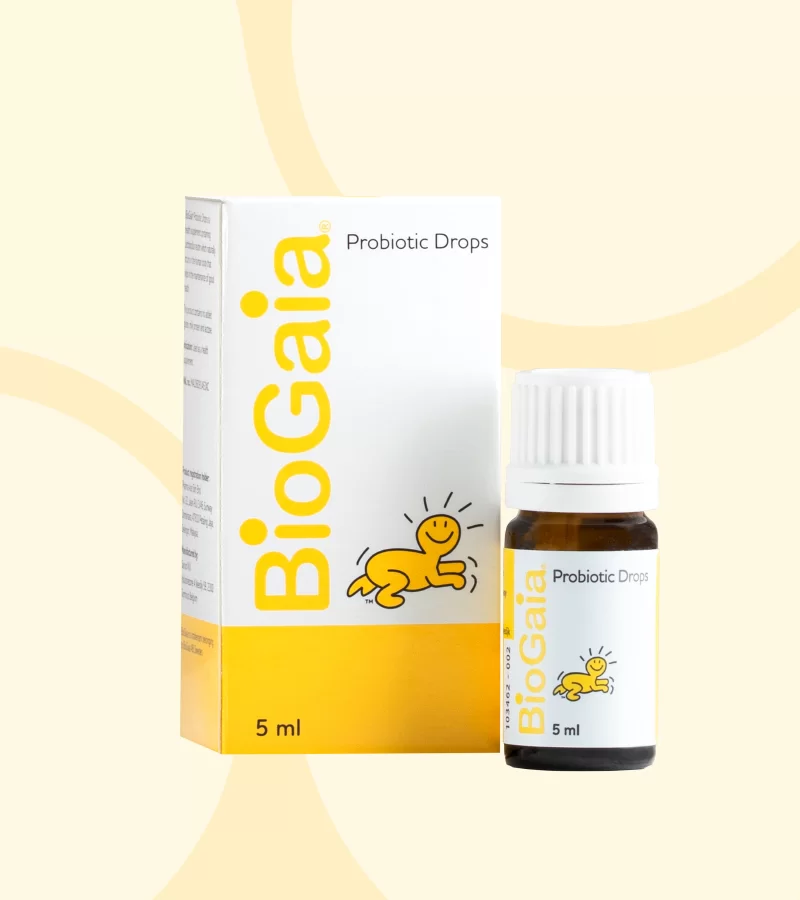
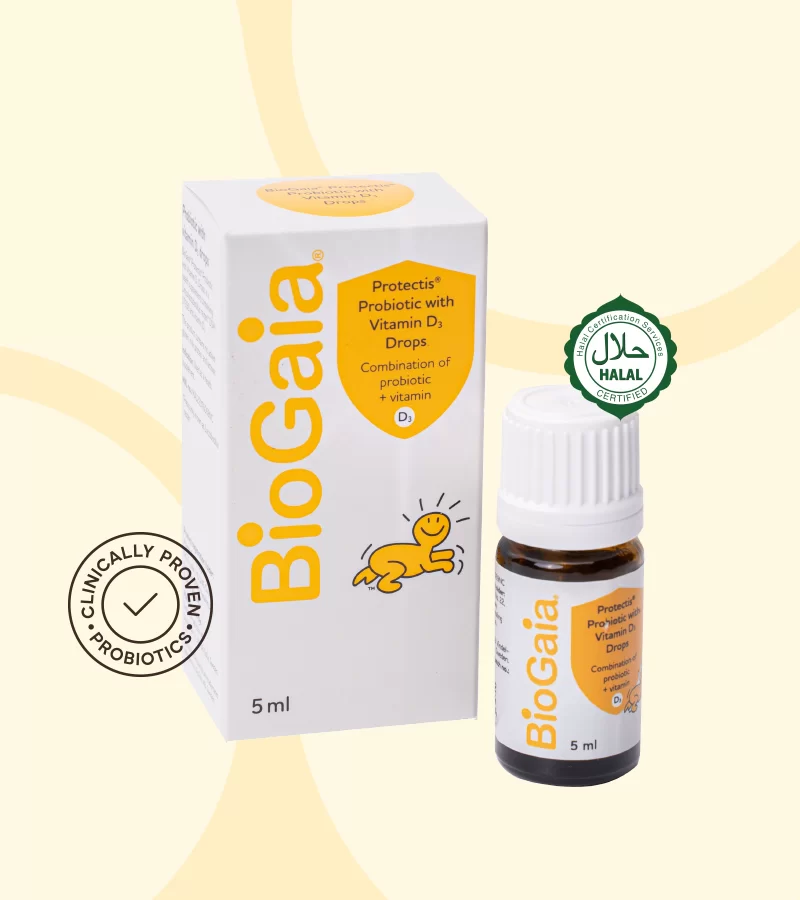
Before opening, liquid probiotics can be stored at room temperature below 25°C in a cool, dry place away from direct sunlight or heat. After opening, they should be refrigerated and used within 3 months to help maintain the stability of the live bacteria.
BioGaia Powder and Tablets
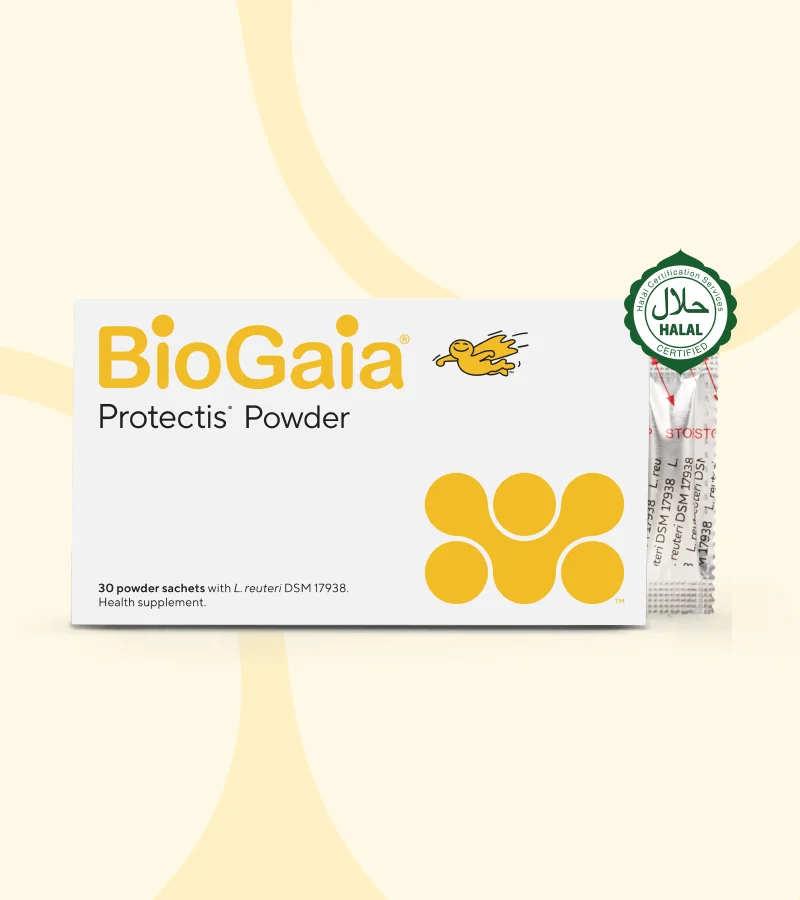
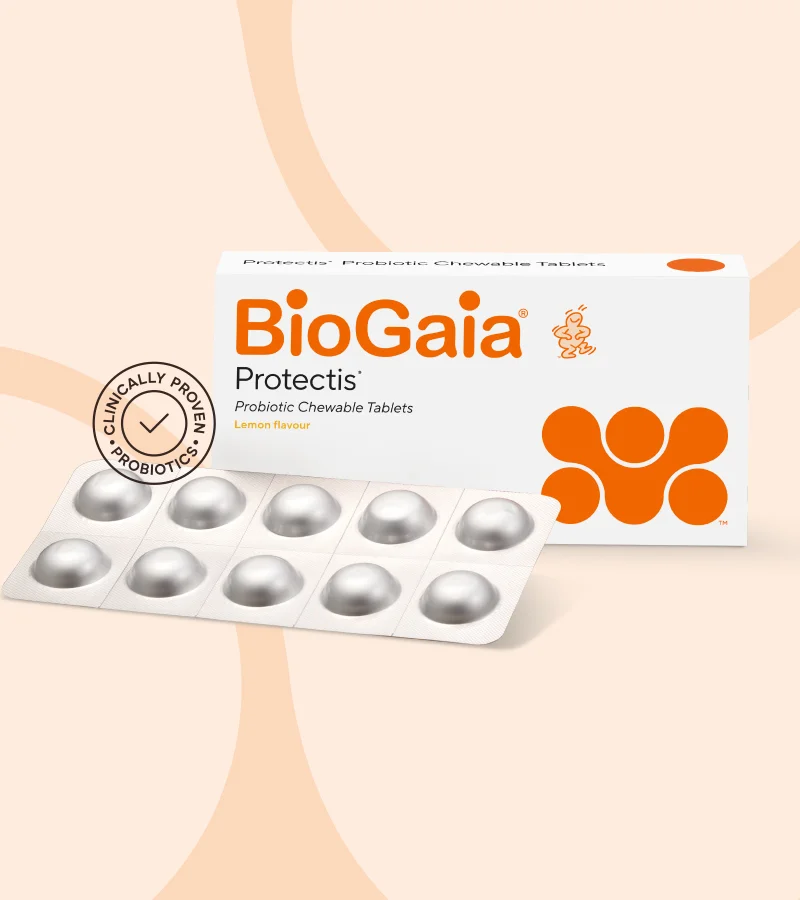
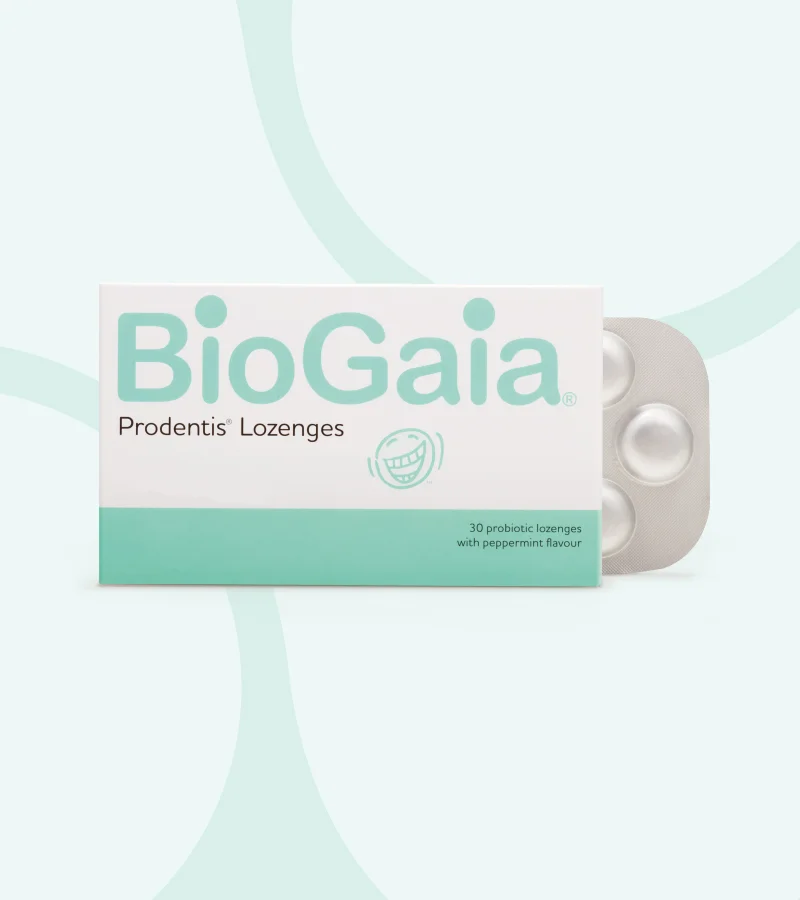
These formats are designed for room-temperature storage under normal indoor conditions. Simply store them below 25°C in a cool, dry place and keep the packaging tightly sealed between uses.
How Long Do Probiotics Last?
Most probiotic supplements, when stored correctly, remain viable for 1 to 2 years unopened. Once opened, that window shortens — typically to a few weeks or months, depending on the format and how well it has been stored.
With BioGaia’s small but mighty patented desiccant strip, all products remain active for up to two years sealed — and up to three months after opening, even with daily use.
FAQs
Do probiotics expire?
Yes. Because probiotics are live microorganisms, their viable count declines naturally over time. Once that count drops below the level needed to deliver a health benefit, the product is no longer effective — regardless of how it looks or smells.
Are expired probiotics harmful?
No. However, the bacteria have likely become inactive, meaning you won’t receive the digestive or immune benefits you’re looking for.
Should probiotics be refrigerated after opening?
It depends on the format of the probiotics. Some — particularly those with temperature-sensitive strains — require refrigeration to slow bacterial decline after opening. Others are shelf-stable and remain effective at room temperature throughout their shelf life.
What happens if I don’t refrigerate probiotics?
For shelf-stable probiotics, not refrigerating is generally fine, provided they are stored below the recommended temperature and kept away from heat and humidity.
For probiotics that require refrigeration, leaving them at room temperature after opening will accelerate bacterial decline. The product does not become harmful, but you may not be getting the dose you think you are.
How long can probiotics stay out of the fridge?
For refrigerated probiotics, most can tolerate being out of the fridge for short periods — typically up to one to two weeks — without significant potency loss. Beyond that, bacterial decline accelerates.
Final Thoughts: Don’t Just Check the Date
Every probiotic has a shelf life. What matters is whether it still delivers the live bacteria promised on the label by the time you take it.
Look for probiotics that guarantee their CFU count at the end of shelf life, clearly identify their strains, and remain stable in Malaysia’s climate. These are not small details — they determine whether your probiotic actually works.
BioGaia has spent more than 30 years refining that standard — combining clinically documented L. reuteri strains and LongevityGuard™ technology. We ensure our invisible heroes stay protected and potent until the very last drop.
Explore BioGaia Probiotics Designed for Everyday Stability in Malaysia!