
When diarrhea strikes,
it can turn a child’s
world upside down.
A comprehensive approach is vital to restoring their health and reducing the duration of diarrheal episodes in children.
When diarrhea strikes, it can turn a child’s world upside down.
A comprehensive approach is vital to restoring their health and reducing the duration of diarrheal episodes in children.
The Global Challenge of Diarrhea in Children
Diarrhea is usually a symptom of an infection in the intestinal tract caused by a variety of enteropathogens.1
Infant Diarrhea
Accounted for around 9% of mortality in children aged under 5 years globally in 20212
Third-leading cause of mortality, killing 1200 children every day2,3
Nearly 1.7 billion cases every year1
Mainly caused by Salmonella spp, Rotavirus, and Shigella spp 2,4
Diarrhea remains the leading cause of child mortality and morbidity in the world, while it is both preventable and treatable.1
What Causes Diarrhea in Children?
Diarrhea in children is most often caused by an infection, although food intolerance, antibiotics, and digestive conditions can also play a role.
Viral Infections
Viruses are the most common cause of acute diarrhea in children. Rotavirus, norovirus, and adenovirus can cause loose or watery stools, vomiting, fever, and stomach cramps. These infections can spread through close contact, contaminated surfaces, food, or water.
Bacterial Infections
Bacteria such as Salmonella, Shigella, E. coli, and Campylobacter can also cause diarrhea in children. Symptoms may include abdominal pain, fever, vomiting, or blood and mucus in the stool. Medical advice may be needed if symptoms are severe.
Antibiotic-Associated Diarrhea
Antibiotics can disrupt the balance of bacteria in the gut. This may lead to diarrhea during treatment or shortly after the course is completed. Supporting a healthy gut microbiota may help with digestive recovery.
Food Intolerance and Other Causes
Some children develop diarrhea after eating foods they cannot digest well. Lactose intolerance, for example, may cause diarrhea, bloating, and stomach discomfort. Ongoing or recurring diarrhea may also be linked to food allergies or digestive conditions and should be assessed by a healthcare professional.
Common Symptoms of Diarrhea in Children
Diarrhea in children is usually easy to recognise. Besides frequent loose or watery stools, children may experience other symptoms depending on the cause of the illness.
Loose or Watery Stools
The main symptom of diarrhea is passing loose, watery, or more frequent stools than usual. Some children may also have an urgent need to use the toilet or experience accidents if they are toilet trained.
Stomach Cramps, Vomiting, and Fever
Diarrhea is often accompanied by stomach cramps, nausea, vomiting, or a mild fever, especially when caused by a viral or bacterial infection. These symptoms usually improve as the illness resolves.
Loss of Appetite and Signs of Dehydration
Children with diarrhea may eat less than usual and feel tired or irritable. Because diarrhea causes the body to lose fluids, it is important to watch for signs of dehydration, such as a dry mouth, fewer wet diapers or less frequent urination, crying with few or no tears, or unusual sleepiness.
The Impact of Diarrhea Is Multifaceted, Particularly in Children Where Severe Cases Can Significantly Disrupt Fluid, Electrolyte, and Gut Homeostasis
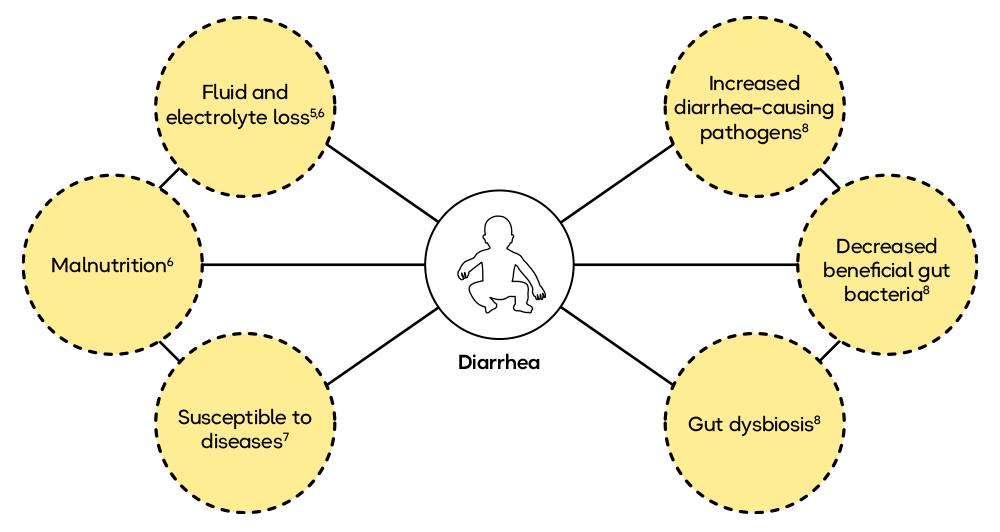
So,
What Does Diarrhea
Actually Do?
So,
What Does Diarrhea
Actually Do?
Diarrhea Disrupts Gut Microbiota
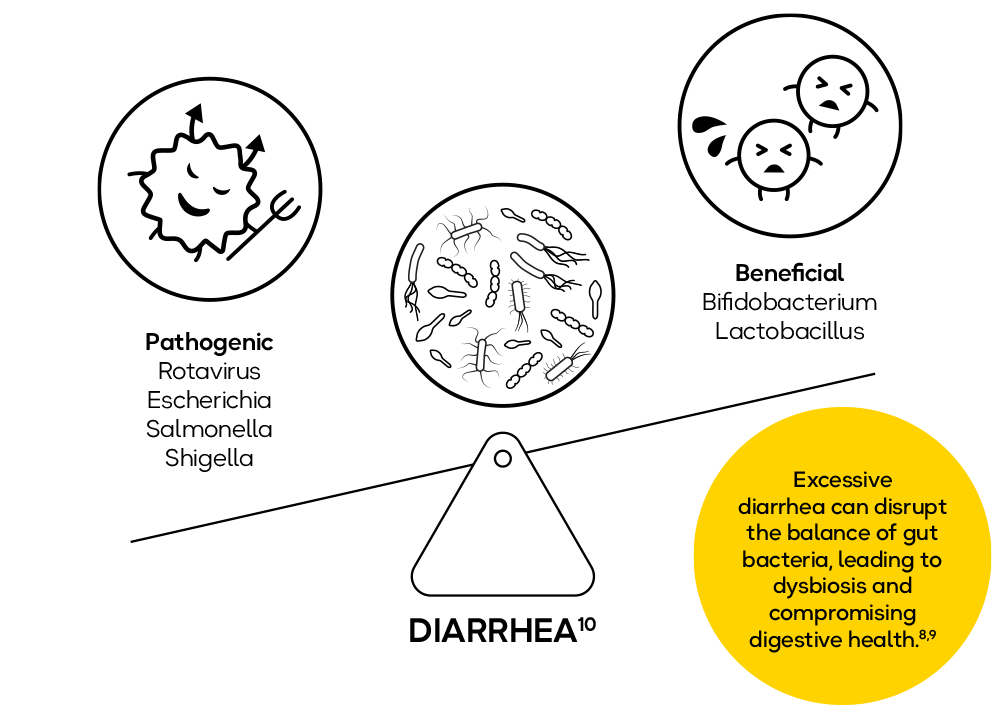
The Result?
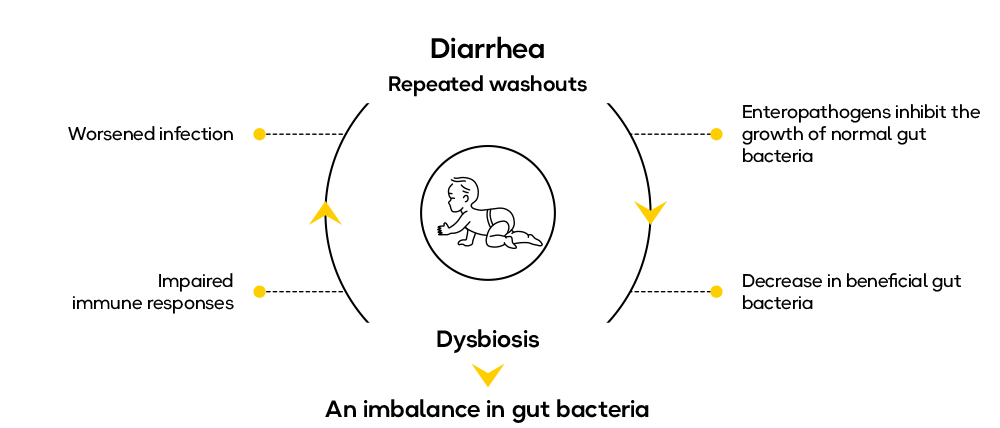
A Vicious Cycle of Diarrhea and Dysbiosis
Infectious diarrhea is characterized by a short period of excessive stools.
Repeated washouts can disrupt the gut microbiome.9,11
Long-Term Consequences of Chronic Diarrhea
Recurrent infections
Susceptible to infections and inflammatory conditions later in life
Metabolic imbalances
Can lead to long-term health issues
Hindered growth
Growth development may be delayed
Psychological imbalance
Emotional well-being may be affected
Managing Diarrhea at Home
Most cases of diarrhea in children improve within a few days with supportive care. The main priorities are preventing dehydration, ensuring your child gets enough fluids, and allowing the digestive system time to recover.
Keep Your Child Hydrated
Diarrhea causes the body to lose water and essential electrolytes. Encourage your child to drink fluids regularly, even if they only take small sips at a time.
For babies and young children, an oral rehydration solution (ORS) may be recommended to replace lost fluids and electrolytes. Follow your healthcare professional’s advice on the most appropriate option for your child.
Continue Feeding Your Child
Children with diarrhea can usually continue eating their regular age-appropriate diet. Breastfed infants should continue breastfeeding, while formula-fed babies should continue their usual feeds unless advised otherwise by a healthcare professional.
Older children may prefer smaller, more frequent meals while they recover.
Choose Easy-to-Digest Foods
When your child feels ready to eat, offer simple foods that are gentle on the stomach. Examples include rice, bananas, applesauce, toast, potatoes, plain porridge, and cooked vegetables.
Avoid foods that are greasy, spicy, or high in sugar, as these may worsen diarrhea in some children.
Support Gut Recovery
Diarrhea can temporarily disrupt the balance of beneficial bacteria in the gut. Supporting the recovery of a healthy gut microbiota may help restore normal digestive function.
Some clinically studied probiotic strains, such as Limosilactobacillus reuteri DSM 17938, helps support gut health alongside hydration and a balanced diet.
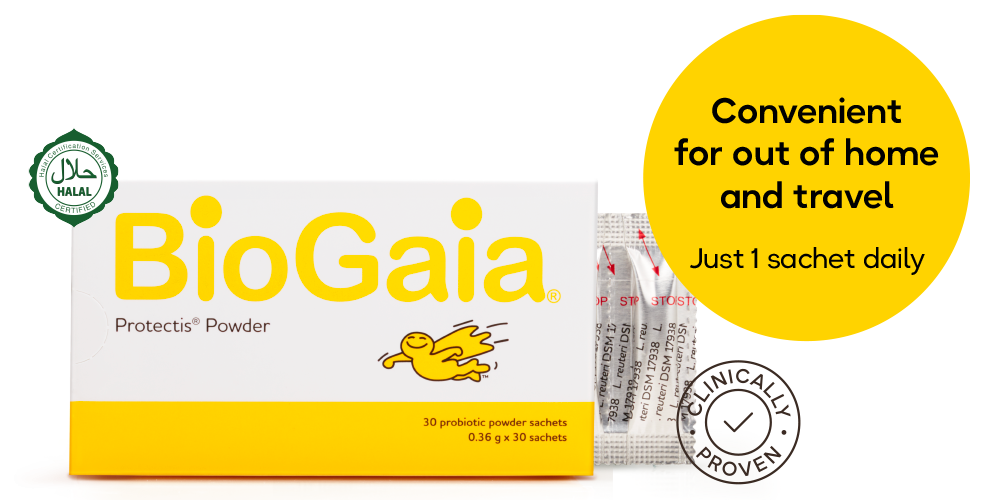
Support Gut Recovery with BioGaia Protectis Powder
Recommended dose: 1 sachet a Recovering from diarrhea involves more than simply replacing lost fluids. As the digestive system heals, restoring a healthy balance of gut microbiota may help support your child’s overall digestive health.
BioGaia Protectis contains the clinically studied probiotic strain Limosilactobacillus reuteri DSM 17938, which has been extensively researched for its role in supporting children’s gut health. When used alongside appropriate hydration, nutrition, and medical advice where needed, BioGaia Protectis can help support your child’s gut recovery.
- Suitable for 0-18 years old and adults
- Recommended dose: 1 sachet a day
- Do not require refrigeration
- Treatment for acute diarrhea (2 sachets a day)
- Other indications include colic, regurgitation, constipation
and other gastro intestinal disorder
How to Prepare BioGaia Protectis Powder?
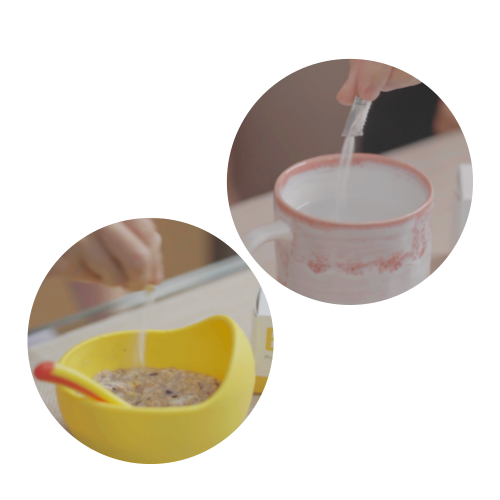
It’s easy to add to meal.
Protectis Powder methods of preparation:
- Pour powder to milk bottle and shake to mix (volume in accordance to baby ‘s ability to finish)
- Mix and stir with drink (30 – 35°C)
- Stir in a bowl (like porridge/rice etc)
- Pour directly into mouth
- Add to liquid drink/juice (below 35°C)
Supporting Gut Recovery After Diarrhea
Supporting the gut after diarrhea may help restore normal digestive function and overall gut health:
- Restore gut microbiota balance: Diarrhea can temporarily disrupt beneficial bacteria in the digestive system.
- Support digestion and nutrient absorption: A healthy gut microbiota helps the body process food and absorb nutrients.
- Consider clinically studied probiotics: Some probiotic strains may support gut recovery when used alongside hydration and a balanced diet.
- Choose strain-specific probiotics: Probiotic benefits vary by strain, so look for options supported by research in children.
How to Help Prevent Diarrhea in Children
Simple daily habits can help reduce the risk of diarrhea and digestive infections in children:
- Practice good hand hygiene: Encourage regular handwashing with soap and water, especially before eating and after using the toilet.
- Choose safe food and drinking water: Wash produce, cook food thoroughly, store meals safely, and provide clean drinking water.
- Keep vaccinations up to date: Follow the recommended immunisation schedule, including rotavirus vaccination where appropriate.
- Support a healthy gut microbiota: Encourage a balanced diet, adequate hydration, and clinically studied probiotics when suitable.
FAQ: Diarrhea in Children
Stay healthy throughout life with BioGaia
WHO. Diarrheal disease. 2017. Available at: https://www.who.int/news-room/fact-sheets/detail/diarrheal-disease. Accessed on: 16 January 2024. 2. Diarrhea. UNICEF. 2024. Available at: https://www.who.int/news-room/fact-sheets/detail/diarrhoeal-disease. Accessed on: 25 March 2024. 3. Diarrhoeal disease. WHO. 2024. Available at: https://www.who.int/news-room/fact-sheets/detail/diarrhoeal-disease. Accessed on: 25 March 2024. 4. Nemeth V, Pfleghaar N. Diarrhea. In: StatPearls. Treasure Island (FL): StatPearls Publishing, 2023. Available at: http://www.ncbi.nlm.nih.gov/books/NBK448082/. Accessed on: 12 February 2024. 5. Diarrhea. UNICEF and WHO. 2024. Available at: https://www.who.int/publications/i/item/WHO_FCH_CAH_04.7. Accessed on: 16 January 2024. 6. Diarrheal disease. WHO. 2017. Available at: https://www.who.int/news-room/fact-sheets/detail/diarrheal-disease. Accessed on: 16 January 2024. 7. Bartelt LA, et al. PLoS Negl Trop Dis. 2013;7(4):e2125. 8. Fan Q, et al. Can J Infect Dis Med Microbiol. 2020;2020:8837156. 9. Li Y, et al. Front Cell Infect Microbiol. 2021;11:625210. 10. Diarrhoeal disease. WHO. 2024. Available at: https://www.who.int/news-room/fact-sheets/detail/diarrhoeal-disease. Accessed on: 25 May 2024. 11. The HC, Le SH. Curr Opin Microbiol. 2WHO. Diarrheal disease. 2017. Available at: https://www.who.int/news-room/fact-sheets/detail/diarrheal-disease. Accessed on: 16 January 2024. 2. Diarrhea. UNICEF. 2024. Available at: https://www.who.int/news-room/fact-sheets/detail/diarrhoeal-disease. Accessed on: 25 March 2024. 3. Diarrhoeal disease. WHO. 2024. Available at: https://www.who.int/news-room/fact-sheets/detail/diarrhoeal-disease. Accessed on: 25 March 2024. 4. Nemeth V, Pfleghaar N. Diarrhea. In: StatPearls. Treasure Island (FL): StatPearls Publishing, 2023. Available at: http://www.ncbi.nlm.nih.gov/books/NBK448082/. Accessed on: 12 February 2024. 5. Diarrhea. UNICEF and WHO. 2024. Available at: https://www.who.int/publications/i/item/WHO_FCH_CAH_04.7. Accessed on: 16 January 2024. 6. Diarrheal disease. WHO. 2017. Available at: https://www.who.int/news-room/fact-sheets/detail/diarrheal-disease. Accessed on: 16 January 2024. 7. Bartelt LA, et al. PLoS Negl Trop Dis. 2013;7(4):e2125. 8. Fan Q, et al. Can J Infect Dis Med Microbiol. 2020;2020:8837156. 9. Li Y, et al. Front Cell Infect Microbiol. 2021;11:625210. 10. Diarrhoeal disease. WHO. 2024. Available at: https://www.who.int/news-room/fact-sheets/detail/diarrhoeal-disease. Accessed on: 25 May 2024. 11. The HC, Le SH. Curr Opin Microbiol. 2022;66:79–85.022;66:79–85.