
BioGaia® Skin Care Probiotic Ointment for Baby Skin
Probiotic skin care can help support a baby’s delicate skin barrier and natural skin microbiome. BioGaia® Skin Care Probiotic Ointment is specially formulated for sensitive baby skin, helping to keep it moisturised, protected, and comfortable as part of a gentle daily routine.
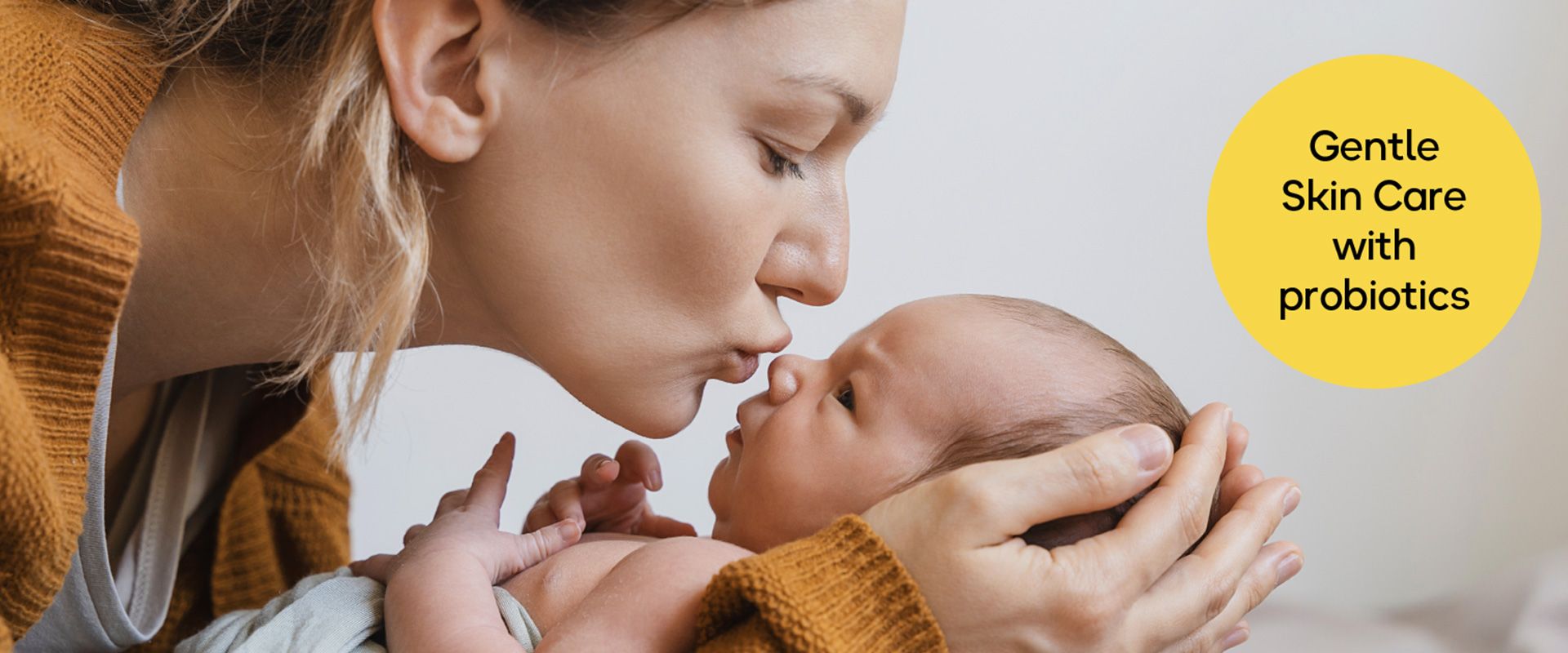
All babies have sensitive skin
At birth, your baby undergoes a dramatic transition from a watery to a dry environment. While their skin will continue to develop after birth, it cannot fully perform all its functions until the skin microbiome is fully established by the age of 3 to 4 years.
– The outermost layer of a baby’s skin is 30% thinner than that of an adult, making it more prone to dryness.
– A baby’s skin has a higher pH at birth, but after a few weeks, it becomes similar to that of an adult.
– A baby’s skin holds more water but loses it more quickly. When the skin becomes dry, it loses its barrier function.
– A baby’s skin has fewer natural moisturizing agents, lipids, and melanin. Their skin cells are also smaller.
– Babies have lower activity in their sebaceous (oil) and sweat glands compared to adults, making their skin more delicate and reactive.
Reviewed by Dermatologist Anne Wetter, Diagnostic Center Skin, Stockholm
Essential tips for babies´ skin

Avoid preservatives
Why: Some preservatives can cause irritation and allergic reactions in sensitive baby skin and disrupt the skin microbiome.
Recommendation: Choose products specifically formulated for infants that are free from harsh preservatives like petrolatum, parabens and phthalates.¹²

Limit washing
Why: Over-washing can strip away natural oils and disturb the skin microbiome, leading to dry and irritated skin.
Guide: Bathe infants a maximum of 2-3 times a week and use gentle, soap-free cleansers.⁵

Opt for plant-based products
Why: Plant-based ingredients are often gentler and less likely to cause irritation.
Benefits: Plant-based products typically contain fewer synthetic chemicals and are enriched with natural moisturizers and antioxidants.¹²

Protect the skin microbiome
Importance: A healthy microbiome is crucial for skin barrier function and immune defence.
Disruptors: Overuse of antibacterial products, harsh soaps, and excessive bathing can disturb the natural balance of skin microbes.
Recommendation: Use mild, microbiome-friendly cleansers and avoid products with alcohol and synthetic fragrances.³ʼ⁴
Reviewed by Dermatologist Anne Wetter, Diagnostic Center Skin, Stockholm
Skin Microbiome
The skin microbiome, a community of beneficial microorganisms living on the skin, plays a crucial role in protecting your skin. It interacts with skin cells, strengthens the skin’s barrier, produces protective substances, and defends against harmful bacteria.
When the balance of the skin microbiome is disrupted, various skin issues can arise, such as:
* Oily or dry skin.
* Chronic conditions like eczema.
By age 3-4, a child’s skin microbiome and immunity are established.
Protecting and cultivating a rich microbiome early on is essential for developing healthy, resilient skin.⁶ʼ⁷
What Can Disrupt a Baby’s Skin Microbiome?
A baby’s skin microbiome can be affected by everyday factors that weaken the skin’s natural protective barrier. Common factors include:
- Dry skin: A lack of moisture can weaken the skin barrier, making the skin more prone to irritation.
- Frequent washing: Bathing too often or using hot water may strip away the skin’s natural oils.
- Harsh soaps and fragrances: Products containing strong detergents, alcohol, or fragrances can irritate sensitive skin and disrupt its natural balance.
- Environmental factors: Exposure to heat, humidity, cold weather, pollution, and allergens may affect the skin’s condition.
- Scratching and friction: Frequent rubbing or scratching can damage the skin barrier, especially in babies with dry or eczema-prone skin.
Supporting the skin microbiome with gentle daily skin care can help maintain healthy-looking skin and a strong skin barrier.
What is Probiotic Skin Care
Probiotic skincare involves using live beneficial bacteria to improve the health and appearance of the skin. Probiotics help to balance the skin microbiome, reduce inflammation, and enhance skin barrier function
Unlike traditional skin care products that focus mainly on cleansing or moisturising, probiotic skin care helps maintain the balance of beneficial microorganisms that live on the skin.
How Does Probiotic Skin Care Support the Skin Microbiome?
The skin is home to millions of microorganisms that make up the skin microbiome. A balanced skin microbiome helps protect the skin from external irritants and supports the skin’s natural barrier.
Probiotic skin care works by helping to maintain this healthy balance, allowing the skin to stay hydrated, resilient, and better supported against everyday environmental stressors.
Nurtures and Balances Baby´s sensitive skin
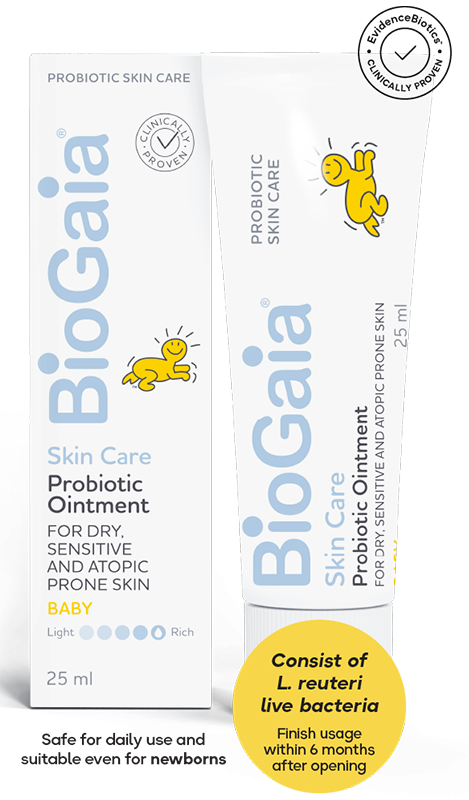

Properties
BioGaia® skin care probiotic ointment is a versatile probiotic ointment designed to nurture and protect babies’ delicate skin. Enriched with natural plant-based oils and beneficial probiotics, it effectively soothes dry and irritated skin, strengthens the skin barrier, and enhances the skin’s appearance and feel.⁸⁻¹¹
Facts
Soothes chafing, flaking, rashes, and other skin irritations.¹⁻⁷
No chemicals, safe and gentle.
Steroid-free
Dermatologically tested.⁸⁻¹¹
Ingredients
Shea butter, canola oil, hydrogenated vegetable oil and L. reuteri DSM 17938
Application and Usage
Apply a small amount to the affected area
Use twice daily, or as needed
Suitable for daily use
Why Choose Probiotic Skin Care for Babies?
A baby’s skin is thinner and more delicate than adult skin, making it more susceptible to dryness and irritation. Using gentle skin care products that support the skin’s natural microbiome can help maintain healthy-looking skin while protecting its natural barrier.
Choosing products formulated specifically for babies can help provide daily care for sensitive and delicate skin.

Key benefits with probiotics skin care
Anti-inflammatory properties
It naturally helps reduce skin inflammation caused by UVB exposure. Whether it’s redness, irritation, or swelling, the probiotic works to keep your baby’s skin calm and comfortable.
Strengthens the skin barrier
Boosts hydration and strengthens your baby’s skin, making it more resilient softer and well-protected.
Fights harmful bacteria
Helps to manage and prevent bacterial skin infections naturally by keeping a healthy microbiota.
Plant-based ingredients’ effect on the skin
Protective Barrier
Shea butter creates a protective barrier on the skin’s surface, which helps to shield baby skin from environmental factors such as cold, dry air, and wind. Hydrogenated vegetable oil, which is often used in skin care products for its texture and stability, also helps in forming a protective layer that safeguards against moisture loss.¹²
Soothing Properties
Both shea butter and canola oil have anti-inflammatory properties that can help soothe irritation and calm redness on sensitive skin. This is particularly beneficial for babies who suffer from skin irritations.¹²
Gentle Care
Plant-based oils are generally considered to be gentler than synthetic oils and are less likely to cause allergic reactions or irritate sensitive skin. This makes them suitable for use in baby skincare products.¹³
Moisturizing & Hydration
Shea butter is renowned for its excellent moisturizing properties. It’s rich in fatty acids and vitamins A and E, which are essential for maintaining skin moisture and preventing dryness. Canola oil and hydrogenated vegetable oil also serve as emollients that can help to keep baby skin soft and hydrated by forming a barrier on the skin that retains moisture.¹²ʼ¹³
Rich in nutrients
Shea butter is not only a great source of essential fatty acids but also has natural antioxidants. Canola oil is rich in omega-3 and omega-6 fatty acids, which are crucial for maintaining healthy skin. These nutrients help in nourishing the skin and promoting its overall health.¹²ʼ¹³
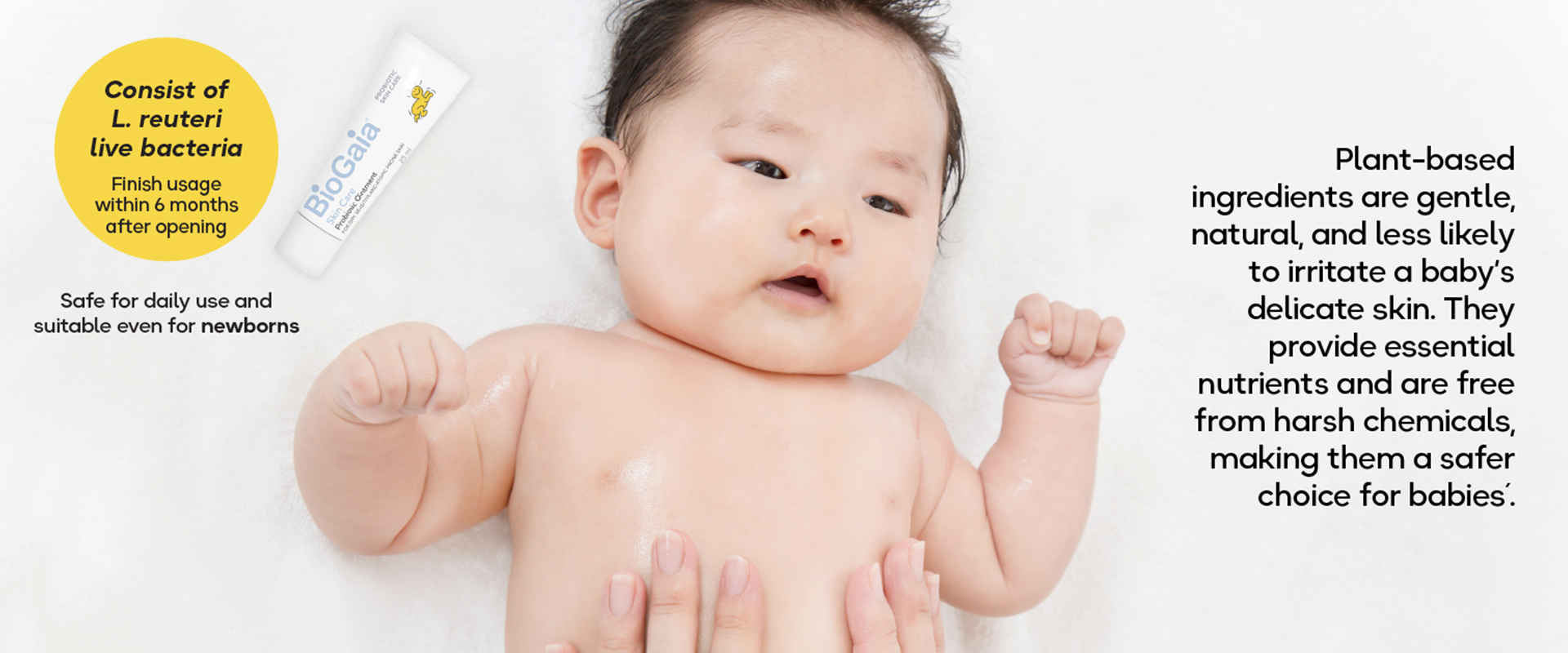
Daily Tips for Caring for Sensitive Baby Skin
A simple daily routine can help keep your baby’s skin comfortable, moisturised, and well protected.
- Moisturise often: Apply a gentle baby moisturiser or ointment to reduce dryness and support the skin barrier.
- Choose mild products: Use fragrance-free cleansers and skin care products made for delicate baby skin.
- Keep baths short: Use lukewarm water and avoid long baths, as too much washing may dry the skin.
- Use soft clothing: Dress your baby in breathable fabrics that minimise heat, rubbing, and irritation.
- Limit exposure to irritants: Avoid strong soaps, perfumes, and products that may trigger redness or discomfort.
- Support the skin barrier: Keep the skin clean, hydrated, and protected to help maintain its natural balance.
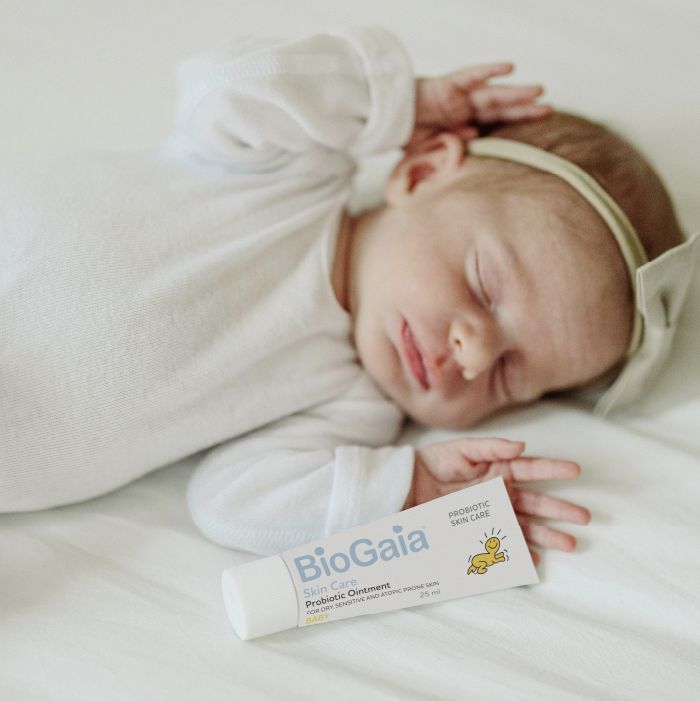
Expected Results
• Instant Comfort: Users reported smoother-feeling skin after just one application.
• Long-Lasting Hydration: Moisturizing effects measured up to 8 hours after use.
• Designed for Gentleness: Classified as non-irritant in standardized eye and skin tests.
• Real-World Improvements: A randomized, placebo-controlled study in adults with atopic dermatitis showed improvements in SCORAD/local SCORAD indices with ongoing use.
Real-Life Results
Visible improvements in skin appearance were observed in before-and-after user cases after one month of use. Individual results may vary.
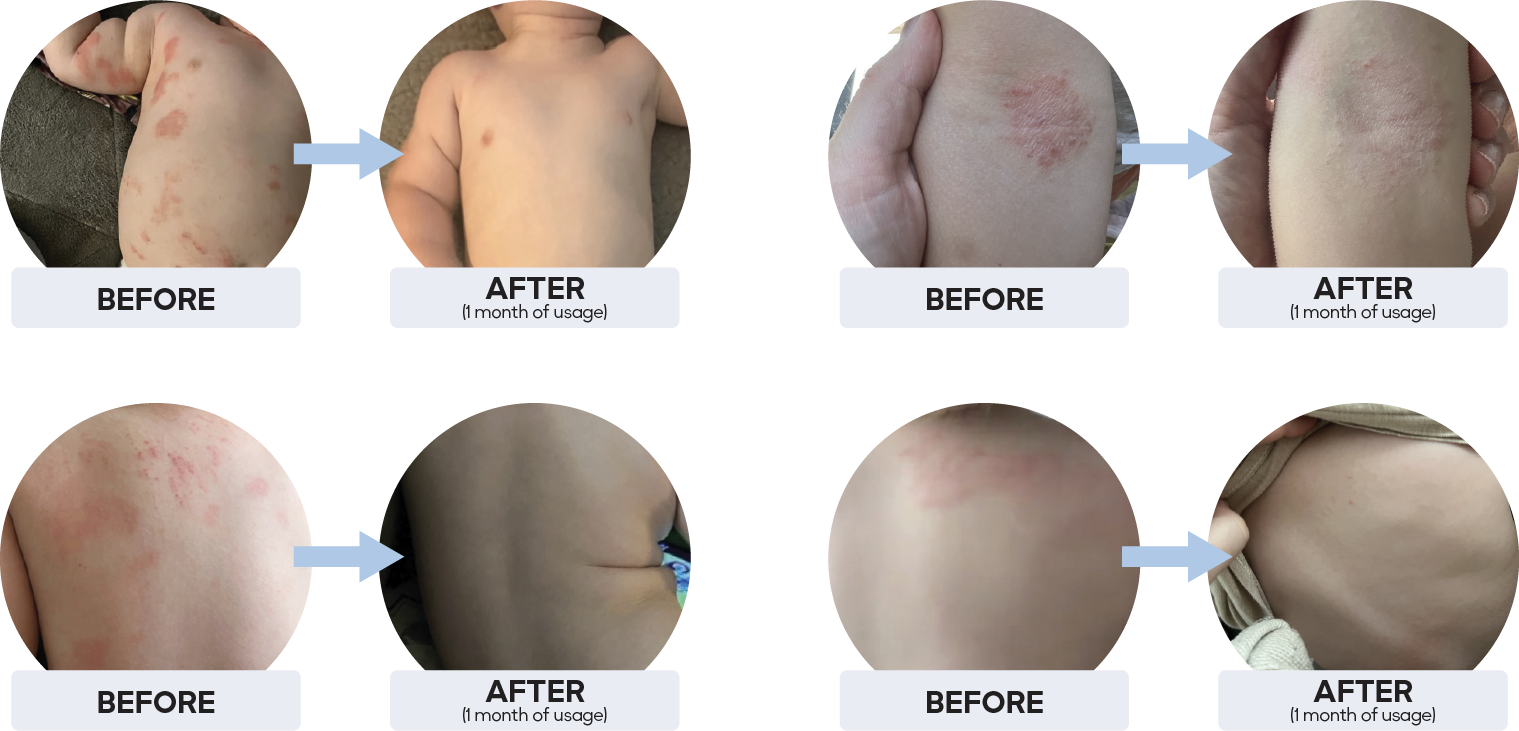
Ready to help your baby’s skin stay soft, soothed, and well cared for every day with BioGaia® Skin Care Probiotic Ointment?
*Get a free trial sample from your doctor.
*T&C apply.
Frequently Asked Questions
References:
1. Lyon, Sue. An Evidence-Based Approach to Newborn Skin Cleansing. RCM Alliance Programme.
2. Stamatas, Gerorgios & Walters, Russel & Martin, Katharine. (2011). Formulating for the Unique Needs of Baby Skin. Personal Care europé. 31-36
3. Mueller, Noel T et al. The infant skin-microbiome development: Mom matters. Trends in molecular medicine vol. 21,2 (2015): 109-17. doi:10.1016/j.molmed.2014.12.002
4. Capone KA, Dowd SE, Stamatas GN, Nikolovski J. Diversity of the human skin skin-microbiome early in life. J Invest Dermatol. 2011 Oct;131(10):2026-32.
5. Skotnicki, Sandy. Beyond Soap: The Real Truth About What You are Doing to Your Skin and How to Fix It for a Beautiful, Healthy Glow. Penguin, 2018.
6. Byrd, A.L.; Belkaid, Y.; Segre, J.A. The human skin microbiome. Nat. Rev. Genet. 2018, 16, 143–155.
7. Grice, E.A.; Segre, J.A. The skin microbiome. Nat. Rev. Genet. 2011, 9, 244–253.
8. Butler E, et al. Microorganisms 2020, 8, 1026. Lactobacillus reuteri DSM 17938 as a Novel Topical. Cosmetic Ingredient: A Proof of Concept Clinical. Study in Adults with Atopic Dermatitis
9. Khmaladze I, Butler É, Fabre S, Gillbro JM. Lactobacillus reuteri DSM 17938—A comparative study on the effect of probiotics and lysates on human skin. Exp Dermatol. 2019;00:1–7.
10. Data on file, In use test. Y. Lightening Discomfort of the Skin: QA & Control Systems Ltd.; 2020.
11. Data on file, In use test. Transdermal Water Loss: QA & Control Systems Ltd.; 2020. 5. Belibi S, et al. J Allergy Clin Immunol 2009, 123:Abstract S41. 13. Verma N, et al. J Complement Integr Med 2012, 9:Article 4. 7. Poljšak N, Kočevar Glavač N. Front Pharmacol 2022, 13:868461.
12. https://thedermreview.com/shea-butter/
13. https://www.emedihealth.com/skin-beauty/natural-vs-chemical-skin-care
14. Khmaladze et al. Experimental Dermatology 2019